

Table of Contents
- The Challenge: Making Your Storefront Impossible to Ignore
- Understanding Illuminated Storefront Signs and Their Impact
- The Case for Non-Illuminated Signs in Your Strategy
- How Lighting Affects Customer Behavior and Foot Traffic
- Installation and Maintenance Considerations for Each Type
- Cost Analysis: Illuminated vs Non-Illuminated Investment
- How We Design Your Sign for Maximum Visibility
- Weather Resistance and Dallas Climate Durability
- Permit Navigation and City Compliance
- Real Results: Why Dallas Businesses Choose Us
- Getting Started With Your Custom Storefront Sign
- Frequently Asked Questions (FAQ)
The Challenge: Making Your Storefront Impossible to Ignore
Your storefront sign is working 24/7, but is it working for you? A passerby has roughly three seconds to notice your business, read your name, and decide whether to stop. In that narrow window, your sign either captures attention or blends into the urban noise.
We see this challenge play out across Dallas daily. Business owners invest in their storefronts, their products, and their customer experience, yet overlook the single element that determines whether potential customers even know they exist. The question isn’t just whether to illuminate or not, but how to make the right choice based on your location, budget, and foot traffic patterns.
The good news: there’s no universal “best” answer. The right sign depends on your specific situation, and we’ll walk through exactly how to evaluate both options.
Understanding Illuminated Storefront Signs and Their Impact
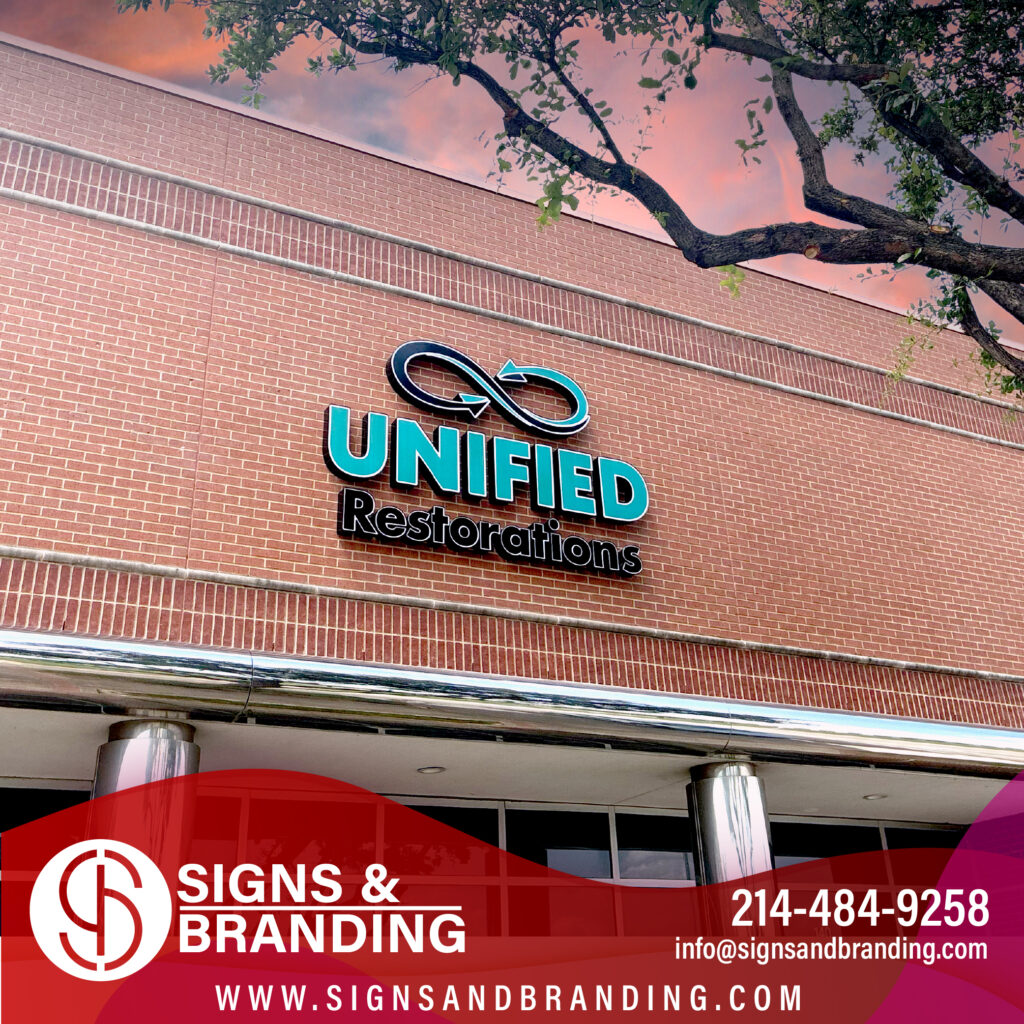
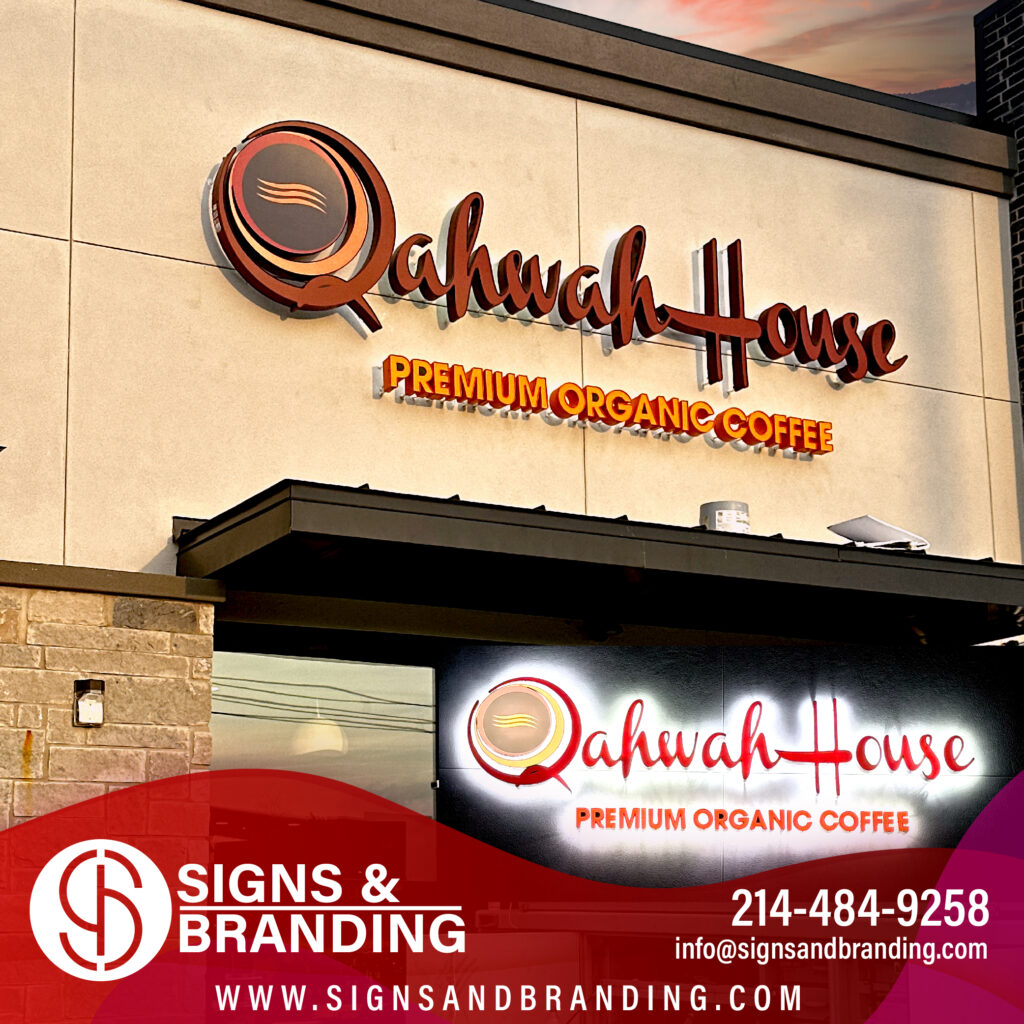
Illuminated signs create visibility around the clock. Whether through LED modules, neon, or backlit vinyl, these signs remain visible during evening hours, overcast days, and early morning when natural light is low.
Here’s what illuminated signs deliver:
- Extended visibility window: Your brand stays visible 16+ hours per day, even when daylight fades
- Enhanced perception of legitimacy: A lit sign subconsciously signals an active, professional business
- Competitive advantage in dense retail areas: When storefronts cluster together, light cuts through visual clutter
- Directional effectiveness: Illuminated signage guides customers from a distance, especially on streets with multiple competing businesses
For Dallas businesses in busy commercial corridors, shopping centers, or downtown districts, illumination often translates to measurable foot traffic increases. We’ve worked with restaurants, salons, and retail shops where adding illumination to an existing sign resulted in 15-25% increases in inquiries within the first quarter.
LED technology has also shifted the economics. Modern LED signs consume 75% less energy than older neon or incandescent systems, reducing operating costs significantly compared to solutions from even five years ago.
The Case for Non-Illuminated Signs in Your Strategy
Non-illuminated signs aren’t a compromise or a budget limitation, they’re a strategic choice for specific scenarios.
Consider these situations where non-illuminated works better:
- Premium, high-end locations: Luxury boutiques, professional offices, and upscale restaurants often use subtle, non-illuminated signage to convey sophistication and restraint
- High daytime foot traffic with early closing hours: If your customer base arrives during daylight hours and you close by 6 PM, illumination may be unnecessary overhead
- Neighborhood-facing storefronts: In residential areas or local shopping strips where customers know where to find you, a well-designed non-illuminated sign maintains character without seeming out of place
- Historic districts with signage restrictions: Some Dallas areas limit illumination to preserve aesthetic continuity
- Architectural coherence: Sometimes the building’s design calls for clean, minimal signage that competes with, rather than complements, heavy lighting
Non-illuminated signs also require less maintenance. There are no transformers to service, no LED modules to replace, and no electrical wiring to weatherproof. A quality non-illuminated sign built from durable materials can serve your business for 10+ years with minimal upkeep.
How Lighting Affects Customer Behavior and Foot Traffic
The psychology behind illuminated signage runs deeper than simple visibility. Light draws attention through contrast and novelty. When most storefronts are dark, a lit sign creates a visual anchor that triggers unconscious interest.
Research on retail signage shows that illumination increases sign noticeability by 300-500%, depending on ambient lighting conditions. On a brightly lit afternoon, that impact is modest. At dusk or after dark, it becomes decisive.
The timing matters too. A business that captures most traffic between 8 AM and 5 PM operates in a different visibility context than a bar, restaurant, or entertainment venue. If half your customers arrive after sunset, illumination isn’t optional, it’s foundational to your marketing strategy.
Additionally, consistent nighttime visibility builds brand recall. Customers driving the same route repeatedly register your illuminated sign as a familiar landmark, increasing the likelihood they’ll remember your business and recommend it to others.
However, there’s a threshold. Overly bright or garish illumination can feel aggressive or cheap, potentially repelling the exact customers you want to attract. The goal is appropriate visibility, not maximum brightness.
Installation and Maintenance Considerations for Each Type
Illuminated and non-illuminated signs require different technical approaches during installation and over their lifespan.
Illuminated sign installation:
- Requires electrical wiring, transformer placement, and connection to your main panel
- Needs professional licensing to comply with Dallas electrical codes
- Takes slightly longer to install due to wiring and testing phases
- Demands regular maintenance: cleaning lens covers, inspecting LED modules, testing connections seasonally
Non-illuminated sign installation:
- Focuses on structural anchoring and weatherproofing
- Faster installation timeline since no electrical work is needed
- Minimal ongoing maintenance beyond occasional cleaning and material inspection
- Can be installed in locations where running power lines isn’t feasible
We handle both approaches in-house, which means our installation team doesn’t cut corners or farm work to subcontractors. From structural assessment to final installation, we manage the entire process with licensed professionals who understand Dallas building codes and weather conditions.
Our 2-3 week turnaround applies to both types, and we include a 5-year quality warranty regardless of whether your sign is illuminated or not. That warranty covers workmanship, materials, and weathering defects, giving you protection on your investment.
Cost Analysis: Illuminated vs Non-Illuminated Investment
Budget considerations often guide the decision, so let’s be direct about the numbers.
A non-illuminated sign typically costs 30-50% less than an equivalent illuminated sign. You’re avoiding the expense of LED modules, transformers, electrical wiring, and any specialized components required for safe power delivery.
For a typical storefront sign (4-8 feet wide), you might expect:
- Non-illuminated: $1,200-$2,500
- Illuminated (LED): $2,000-$4,500
However, operational costs shift the long-term math. A non-illuminated sign has zero monthly energy cost. An illuminated LED sign operates for pennies per day, typically adding $15-$40 to your monthly utility bill depending on size and usage hours.
The payoff question is simple: does the increased visibility justify the upfront and ongoing costs? If illumination attracts enough additional customers to generate incremental revenue exceeding your annual sign expenses, it’s a sound investment. Many of our Dallas clients see that payoff within 6-12 months.
We’re transparent about all costs upfront. During the design phase, we provide detailed quotes for both options so you can make an informed decision based on your location, customer patterns, and financial goals.
How We Design Your Sign for Maximum Visibility
Whether illuminated or not, the design matters as much as the execution. A poorly designed sign fails regardless of its lighting, while a thoughtfully designed sign performs above expectations.
Our design process starts with on-site evaluation. We photograph your storefront from street level, note competing signage, assess lighting conditions at different times of day, and map customer approach angles. This real-world context shapes every design decision.
For illuminated signs, we consider:
- Color contrast to ensure legibility regardless of ambient light
- Letter size relative to viewing distance and traffic speed
- Light distribution to avoid glare or dead zones in the design
- Energy efficiency through strategic LED placement
For non-illuminated signs, we focus on:
- Material finish that reflects available daylight effectively
- Typography that maintains readability at a distance without relying on light
- Color combinations that provide sufficient contrast even in overcast conditions
- Material quality that resists fading and weathering
Our in-house design team has worked with hundreds of Dallas storefronts across retail, food service, professional offices, and hospitality. We know what works in this market because we’ve tested it against real results and real customer feedback.
Weather Resistance and Dallas Climate Durability
Dallas weather demands materials and construction methods built to endure extreme conditions. Summer heat, sudden storms, and occasional freeze cycles all test your sign’s durability.
We build with this climate in mind. Our materials include:
- UV-resistant vinyl and paint systems that resist fading under intense sun
- Aluminum and stainless steel components that don’t corrode in humidity
- Sealed enclosures on illuminated signs to protect electrical components from moisture
- Structural reinforcement to withstand sustained winds during severe weather
For illuminated signs, weatherproofing is critical. Water infiltration into an electrical enclosure creates safety hazards and shortens component lifespan. We seal every connection point, use gasket materials that remain flexible through temperature extremes, and position transformers where condensation won’t accumulate.
Your sign should look as fresh in Year 5 as it did on installation day. We’ve engineered our systems to deliver exactly that. The 5-year warranty backs this promise.
Permit Navigation and City Compliance
Dallas imposes specific regulations on commercial signage, including size limits, setback requirements, lighting restrictions in certain zones, and design approval in historic districts. Navigating these requirements without expert guidance can delay your project or force costly redesigns.
We handle permit navigation as part of our service. We understand Dallas city codes, submit applications correctly on your behalf, and communicate with the city throughout the approval process. Most permits take 2-3 weeks, and we’ve streamlined our process to move in parallel with fabrication, minimizing overall project delay.
For illuminated signs, permits often include electrical inspection. For non-illuminated signs, approval is typically faster since fewer code considerations apply. Either way, we handle all the paperwork and back-and-forth so you don’t have to.
Licensed and insured installation ensures everything meets code and passes final inspection the first time, avoiding the expensive rework that comes from DIY or unlicensed installation attempts.
Real Results: Why Dallas Businesses Choose Us

We could claim our signs drive traffic, but let’s talk about what actually happens when Dallas business owners work with us.
A restaurant owner in Deep Ellum replaced a faded non-illuminated sign with a modern illuminated LED design. Within the first month, they saw a 22% increase in walk-in traffic. Customers later told them the lit sign made them aware the restaurant was even open at night, something the previous dark sign never communicated.
A dental practice in Preston Hollow chose a subtle, non-illuminated sign in a professional bronze finish. Their goal wasn’t to maximize visibility from a distance, it was to present a calm, trustworthy brand identity. The sign fit their neighborhood aesthetic perfectly, and patient inquiries increased because the professional design conveyed the quality of their care.
A retail shop in a busy shopping center tested both concepts before deciding on an illuminated sign. The data was clear: foot traffic to their storefront increased when they lit it, especially during evening shopping hours.
The common thread isn’t that one type always wins. It’s that the right choice for your specific situation delivers measurable results.
Getting Started With Your Custom Storefront Sign
The path forward is straightforward. Start by scheduling a consultation with our design team. We’ll visit your storefront, assess your location, discuss your business goals, and answer every question about illuminated and non-illuminated options.
During that conversation, we’ll provide detailed quotes and timelines for both approaches so you can decide based on complete information. We’ll also explain permit requirements and what to expect during installation.
Once you’ve made your choice and approved the design, we move into fabrication. Thanks to our in-house manufacturing capability, we control quality and meet our 2-3 week delivery timeline consistently. Our installation team handles the rest, managing permits and city coordination so you can focus on your business.
Contact us today to schedule your storefront assessment. We’ll help you choose the sign strategy that works for your Dallas location, your budget, and your long-term business growth.
Contact us today for a FREE Estimate
Frequently Asked Questions (FAQ)
What’s the typical turnaround time when we design and install an illuminated sign?
We complete most illuminated signage projects within 2-3 weeks from initial design approval to final installation. This timeline includes our in-house design process, fabrication of all components, electrical setup, and professional installation by our licensed team. We handle all permit navigation with the City of Dallas during this period, so you don’t need to manage those requirements yourself.
How do illuminated and non-illuminated signs perform differently in Dallas weather?
Both our illuminated and non-illuminated signs are built with weather-resistant materials specifically chosen to withstand Dallas heat, UV exposure, and occasional severe weather. Our illuminated options feature sealed LED systems that resist moisture and temperature fluctuations, while our non-illuminated signs use durable finishes designed for long-term outdoor durability. We back all signs with our 5-year quality warranty regardless of which type you choose.
Can we help you decide between illuminated or non-illuminated signage for your location?
We absolutely can. Our design team works with you to evaluate your storefront’s visibility needs, lighting conditions, budget, and brand goals to recommend the best approach. We’ve installed hundreds of signs across Dallas and can show you real examples of how each option performs in different settings to help you make the right choice for your business.