

Table of Contents
- 1. Aluminum Composite Panels for Superior Heat Deflection
- 2. UV-Resistant Acrylic and Polycarbonate Solutions
- 3. Powder-Coated Steel for Long-Lasting Protection
- 4. Vinyl Wraps with Advanced UV Stabilizers
- 5. Anodized Aluminum for Corrosion and Heat Resistance
- 6. Impact-Resistant Polycarbonate Sheets for Storm Protection
- 7. Protective Clear Coat Sealers and Finishes
1. Aluminum Composite Panels for Superior Heat Deflection
Aluminum composite panels (ACPs) are engineered to handle extreme temperature swings without warping. These panels consist of a polyethylene or mineral core sandwiched between aluminum sheets, creating a lightweight yet rigid structure that resists thermal expansion and contraction.
Dallas heat poses a particular problem: daytime temperatures push signs to 140-160 degrees Fahrenheit in direct sunlight, then cool rapidly at night. Materials that expand and contract unevenly develop cracks and separation at seams. Aluminum composite panels distribute this thermal stress evenly across the surface, preventing the buckling that plagues single-material signs.
We favor fire-rated ACPs for commercial applications because they offer critical advantages:
- Excellent thermal stability in extreme heat
- Superior dimensional stability compared to pure aluminum or plastic
- Lightweight, which simplifies installation and reduces structural load
When we design a monument sign or large exterior display, ACPs often form the core of our recommendation. A retail storefront on Mockingbird Lane that we completed in 2024 used ACPs with powder-coated aluminum trim. Two years of Dallas summers and one significant hailstorm later, the panels show no warping or delamination.
Action item: If you’re planning a permanent outdoor sign larger than 50 square feet, specify ACP as your base material and request fire-rated certification to ensure long-term durability.
2. UV-Resistant Acrylic and Polycarbonate Solutions
Standard acrylic yellows and becomes brittle under intense UV exposure, typically lasting 3-5 years before fading becomes noticeable. UV-resistant acrylic is a different product entirely. These formulations include UV absorbers and stabilizers that block degrading radiation at the molecular level.
Polycarbonate offers even stronger UV protection. It transmits light while filtering harmful wavelengths, making it ideal for illuminated signs that sit in direct sun. The material naturally resists UV better than acrylic, and premium grades include added UV coatings that extend service life to 10+ years in Dallas conditions.
The practical difference matters. A business owner in Uptown who invested in standard acrylic lettering returned to us after 18 months complaining about fading. We replaced it with UV-resistant acrylic and added a clear protective topcoat. Five years later, that sign still maintains vibrant color.
Key applications where we specify UV-resistant acrylic or polycarbonate:
- Channel letters and 3D dimensional signage
- Backlit cabinet signs with internal illumination
- Storefront window graphics and overlays
- Interior signs in high-light areas near windows
Polycarbonate costs more upfront but justifies the investment if your sign faces south or west-facing exposure. We guarantee these materials against UV-related color degradation under our 5-year warranty, which reflects our confidence in their performance.
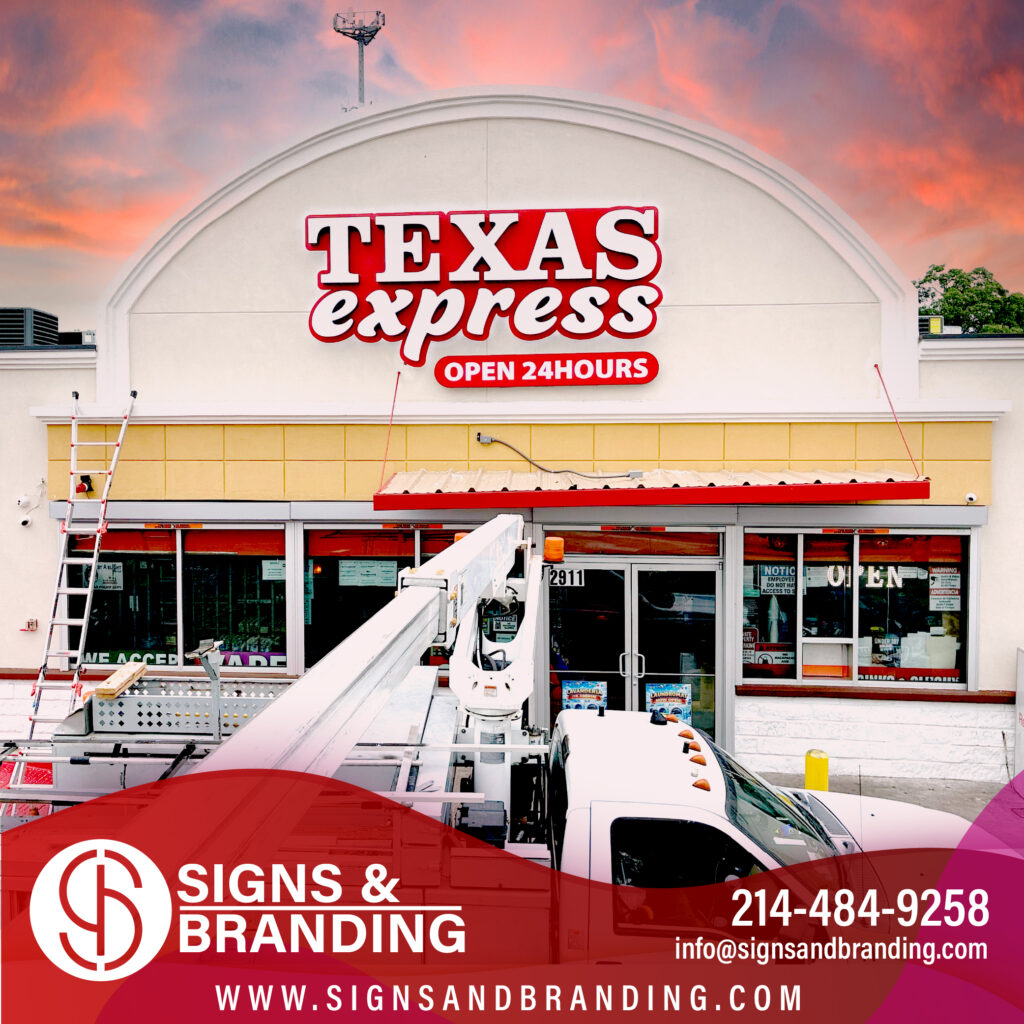
Action item: Request UV-resistant grades specifically (not standard acrylic) and ask your fabricator about accelerated UV testing results. This small specification change extends your sign’s visible lifespan by 50-100%.
3. Powder-Coated Steel for Long-Lasting Protection
Steel offers unmatched structural strength, which matters for large pylon signs and high-wind zones. But raw steel rusts, and Dallas humidity combined with occasional salt-air transport from Gulf storms accelerates corrosion. Powder coating transforms steel into a durable signage substrate.
Powder coating is a dry finishing process that applies a protective polymer layer through electrostatic adhesion, then bakes it on in an oven. Unlike liquid paint, powder coating creates a uniform, thick, hard finish with no drips or thin spots. A quality powder coat typically runs 3-5 mils thick (0.003-0.005 inches), providing a barrier that prevents rust for decades.
We use powder-coated steel for:
- Monument sign bases and structural frames
- Pylon sign cabinets in high-wind areas
- Custom steel brackets and hardware
- Interior sign structures in industrial or warehouse settings
The critical detail is pre-treatment. Steel must be chemically cleaned and primed before coating to ensure adhesion. We handle this process in-house, which is why our steel signs maintain integrity where contractor-grade work fails. A warehouse sign we installed in 2020 in an industrial corridor near the Dallas-Fort Worth airport has zero rust development despite salt-air exposure from aircraft operations.
Powder coating also offers color versatility. You can match brand colors precisely and even specify texture (matte, satin, or gloss). The finish resists fading much better than liquid paint.
Action item: When sourcing steel-based signage, verify that the coating meets ASTM B117 salt-spray testing standards for at least 1,000 hours. This ensures protection in the harshest Dallas conditions.
4. Vinyl Wraps with Advanced UV Stabilizers
Vinyl wraps apply printed graphics directly to sign substrates or vehicle surfaces using adhesive-backed vinyl sheets. Fleet graphics, window displays, and large format outdoor banners frequently use vinyl. The key to longevity is UV stabilizer formulation.
Standard vinyl fades within 1-2 years in direct Dallas sun. Premium vinyl with advanced UV absorbers maintains color saturation for 5-7 years. The difference comes down to ink chemistry and the protective topcoat applied during manufacturing.
We specify cast vinyl with UV-stable inks and marine-grade adhesive for all permanent outdoor applications. Cast vinyl conforms smoothly to contours without stretching, and the thicker material (5-8 mils) resists puncturing better than calendered vinyl. Calendered vinyl, which is cheaper, works fine for temporary graphics or interior displays but won’t survive prolonged outdoor exposure.
A tech startup in Plano ordered a vinyl-wrapped monument sign in early 2024. The wrap featured a gradient design and metallic inks. After 18 months, the colors remain vivid despite south-facing exposure and peak summer heat.
Application areas for UV-stabilized vinyl:
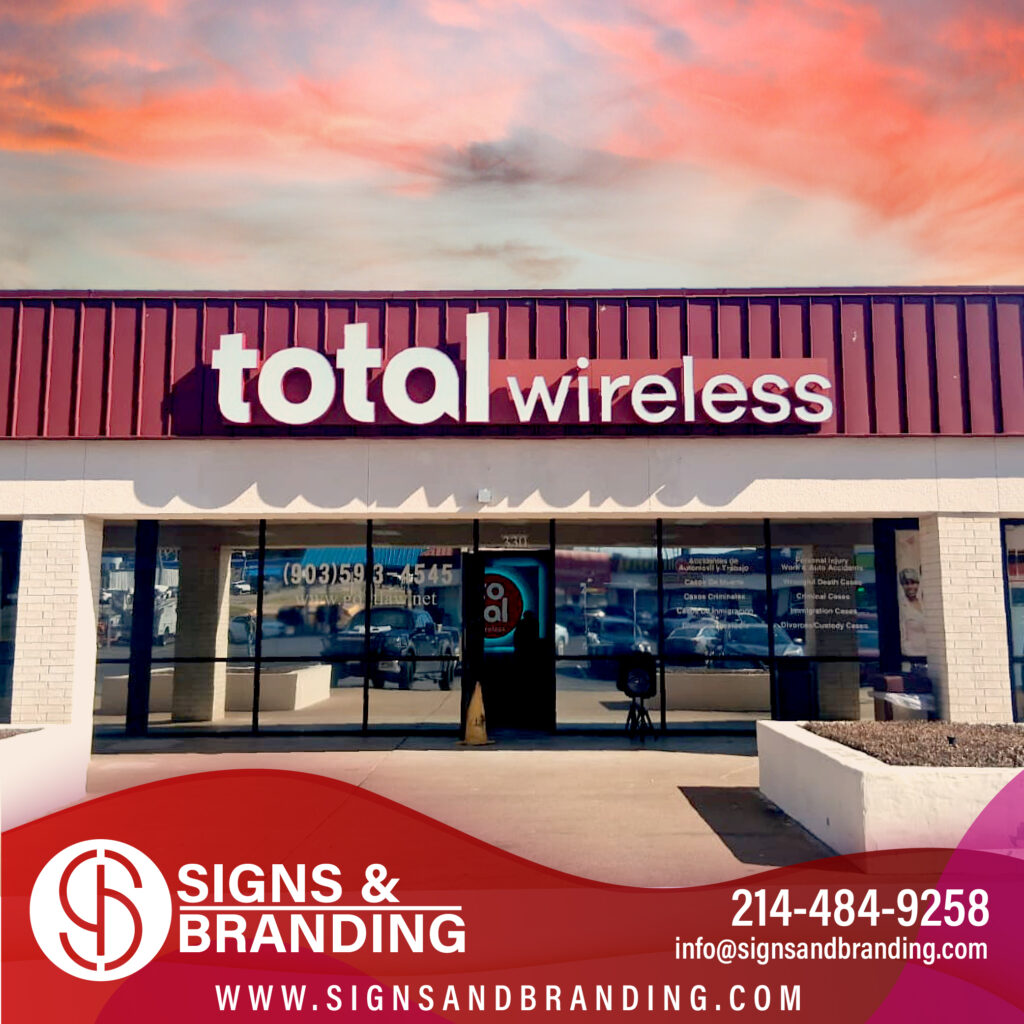
- Window and glass storefront displays
- Large format outdoor banners and signage
- Wrapped signage on vehicles or secondary buildings
- Temporary promotional graphics that need to last a full season
Vinyl also offers design flexibility. You can print custom colors, photographs, and complex patterns that would be expensive to hand-paint or fabricate from solid materials.
Action item: Request a swatch sample of the specific vinyl grade your signage company plans to use, and ask about UV-test results. Ensure the quote specifies “UV-stable” or “exterior-grade” vinyl rather than generic vinyl.
5. Anodized Aluminum for Corrosion and Heat Resistance
Anodizing is an electrochemical process that converts the aluminum surface into a protective oxide layer. This layer is harder than the aluminum beneath it and naturally resists corrosion. Unlike powder coating, which sits on top of the surface, the anodized layer becomes part of the material itself.
Dallas humidity and occasional salt exposure from weather systems create an environment where raw aluminum oxidizes and develops white corrosion. Anodized aluminum blocks this process entirely. The oxide layer is porous enough to accept dyes, so anodizing can produce colors while maintaining protection. Standard architectural anodizing reaches 25 mils thickness, providing barrier protection comparable to the thickest powder coats.
Anodized aluminum is particularly valuable for exposed frames, trim, and architectural elements of your sign. It won’t rust, won’t require repainting, and maintains a clean appearance indefinitely. We use anodized aluminum extensively for sign frames, mounting hardware, and trim pieces that interact with weather directly.
Heat performance is another advantage. Anodized finishes remain stable at the high surface temperatures that signs reach in Dallas summer. The oxide layer doesn’t soften or degrade under thermal stress the way some paint finishes do.
Common specifications we request:
- Type II anodizing (architectural grade)
- 25 mil minimum thickness
- Clear anodize or color anodize depending on design
- ASTM B117 salt-spray testing to 1,000+ hours
Action item: If your sign features exposed aluminum framing or trim, specify anodized aluminum rather than painted or raw aluminum. The upfront cost increase (typically 15-20%) returns value through zero maintenance over the sign’s lifespan.
6. Impact-Resistant Polycarbonate Sheets for Storm Protection
Dallas spring storms bring hail and wind gusts exceeding 60 mph. Standard acrylic and thin materials shatter on impact, leaving you with a damaged sign and a compliance issue if broken pieces fall. Polycarbonate sheets are nearly unbreakable under normal storm conditions.
Polycarbonate is 200+ times more impact-resistant than glass and maintains flexibility in extreme cold and heat. This combination makes it the material of choice for areas prone to hail or high winds. We’ve installed signs that survived hail events that broke car windows nearby without sustaining damage.
The material does yellow slightly over time in UV exposure (faster than acrylic), but this is why UV coatings matter. A polycarbonate sign with a high-quality UV clear coat maintains clarity and color for 10+ years.

Polycarbonate works best for:
- Signs in high-wind zones or near open fields
- Areas with documented hail risk
- Applications where safety is critical (broken glass liability concerns)
- Illuminated signs that need impact protection and light transmission
A medical office in a north Dallas suburb requested impact-resistant signage after a hailstorm damaged their previous acrylic sign. We rebuilt it with UV-coated polycarbonate. Eighteen months and one significant hail event later, the sign remains pristine.
Polycarbonate costs more than acrylic (roughly 40-60% premium), but the value justifies itself immediately if your location experiences storms.
Action item: Check your local weather history and insurance records. If your location has experienced hail or high-wind events, polycarbonate is not a luxury upgrade; it’s insurance against sign replacement costs.
7. Protective Clear Coat Sealers and Finishes
No material stands alone without protection. Clear coat sealers represent the final defense against UV degradation, moisture penetration, and chemical exposure. A quality clear coat can extend the effective lifespan of underlying materials by 50-100%.
Clear coats work through two mechanisms: UV absorption and environmental barrier. Premium formulations include UV absorbers that filter harmful radiation before it reaches the substrate. They also create a moisture-resistant film that prevents water intrusion, which accelerates corrosion and material degradation.
We apply clear coat protection to:
- All UV-sensitive materials (acrylic, polycarbonate, painted surfaces)
- Vinyl graphics and wraps
- Powder-coated and painted metal substrates
- Any material facing direct sunlight or high moisture exposure
The difference between a basic clear coat and a premium marine-grade sealant is significant in Dallas conditions. A basic automotive clear coat might last 3-4 years before showing chalking or hazing. A marine-grade polyurethane clear coat rated for 10-year UV protection will maintain clarity and gloss over a decade.
Application matters too. Clear coat must be applied to a clean, properly prepared surface. We sand and clean all surfaces before coating to ensure adhesion. Poorly applied clear coat peels or fails prematurely, offering no protection.
Maintenance extends clear coat life further. Annual cleaning with mild soap and UV-protective car wash soap removes salt deposits and contaminants that degrade finishes. A business owner in the Park Cities area reports that annual maintenance and occasional clear coat touch-ups have kept a 12-year-old monument sign looking nearly new.
Action item: Include clear coat protection in your signage specification and ask about application method. Specify “marine-grade polyurethane clear coat, minimum 3 coats” or equivalent. This costs less than $500 for most signs but extends lifespan by years.
For further reading: Texas heat and storms.