

Table of Contents
- 1. Streamlined Design Coordination Across All Locations
- 2. In-House Manufacturing for Consistent Quality and Speed
- 3. Unified Branding Standards for Multi-Location Consistency
- 4. Permit Navigation for Multiple Dallas Area Sites
- 5. Phased Installation Strategy to Minimize Downtime
- 6. Centralized Project Management for All Locations
- 7. Quality Warranty Coverage Across Every Sign Installation
1. Streamlined Design Coordination Across All Locations
Running multiple locations means your brand appearance matters twice as much. Each storefront sign represents your entire company, and inconsistency erodes customer trust. But coordinating design, manufacturing, permits, and installation across several Dallas-area sites creates serious logistics headaches.
The stakes are high. A delayed sign launch impacts foot traffic and sales. Mismatched branding confuses customers. Permit missteps push timelines back weeks. Most businesses juggle multiple vendors, each with their own timeline, quality standards, and communication gaps. You end up stuck managing five different contractors instead of running your business.
We’ve worked with dozens of multi-location Dallas business owners who faced this exact problem. Through our full-service approach, we’ve refined a process that delivers consistent results across all your storefronts in the fastest timeline possible. Here’s how we do it, and how you can apply these practices to your own multi-location rollout.
The biggest bottleneck in multi-location sign projects is design feedback loops. When you’re juggling approval from multiple stakeholders across different sites, emails pile up, versions proliferate, and timeline slips happen fast.
We condense this into a single, organized approval process. You share your brand guidelines and location-specific requirements upfront (storefront dimensions, architectural style, local sightline rules). Our design team creates mockups for all locations simultaneously, using the same design language and brand standards. Instead of back-and-forth email chains, you review everything in one session, provide consolidated feedback, and we iterate once or twice maximum.
Here’s what this looks like in practice. If you’re opening five new locations across the Dallas metro, we don’t create one design, wait for feedback, create another, wait again. We build templates and location variations in parallel. Your third location on NorthPark might have a different backdrop color than your second location in Deep Ellum, but the same fonts, logo placement, and overall composition. One design strategy. One approval conversation. Multiple outcomes.
We also use digital visualization tools to show you how each sign will look in its actual storefront environment. You see the sign at night with lighting, at angles from the street, and in daylight. This catches design issues early that email mockups miss entirely.
What to do next: Prepare a single document with your brand identity (logos, color codes, approved fonts), storefront photos for each location, and any local signage restrictions. Send it all at once so your sign partner can design everything simultaneously rather than sequentially.
2. In-House Manufacturing for Consistent Quality and Speed
Outsourcing manufacturing to multiple vendors or waiting for quotes from third-party fabricators adds weeks to your timeline and introduces quality variation. You end up with slight color differences, inconsistent finish quality, or mismatched materials between locations. Some signs arrive pristine. Others need rework.
We manufacture all your signs in-house in our Dallas facility. That means no vendor delays, no handoff mishaps, and no quality surprises. When we design your sign, our fabrication team is already planning the build method, material sourcing, and production schedule. There’s zero disconnect between what was promised in design and what gets built.
This creates genuine speed. We guarantee 2-3 week turnaround from approved design to completed sign, ready for installation. No waiting for external quotes. No hoping a third party delivers on schedule. No discovering mid-project that a material is on backorder.
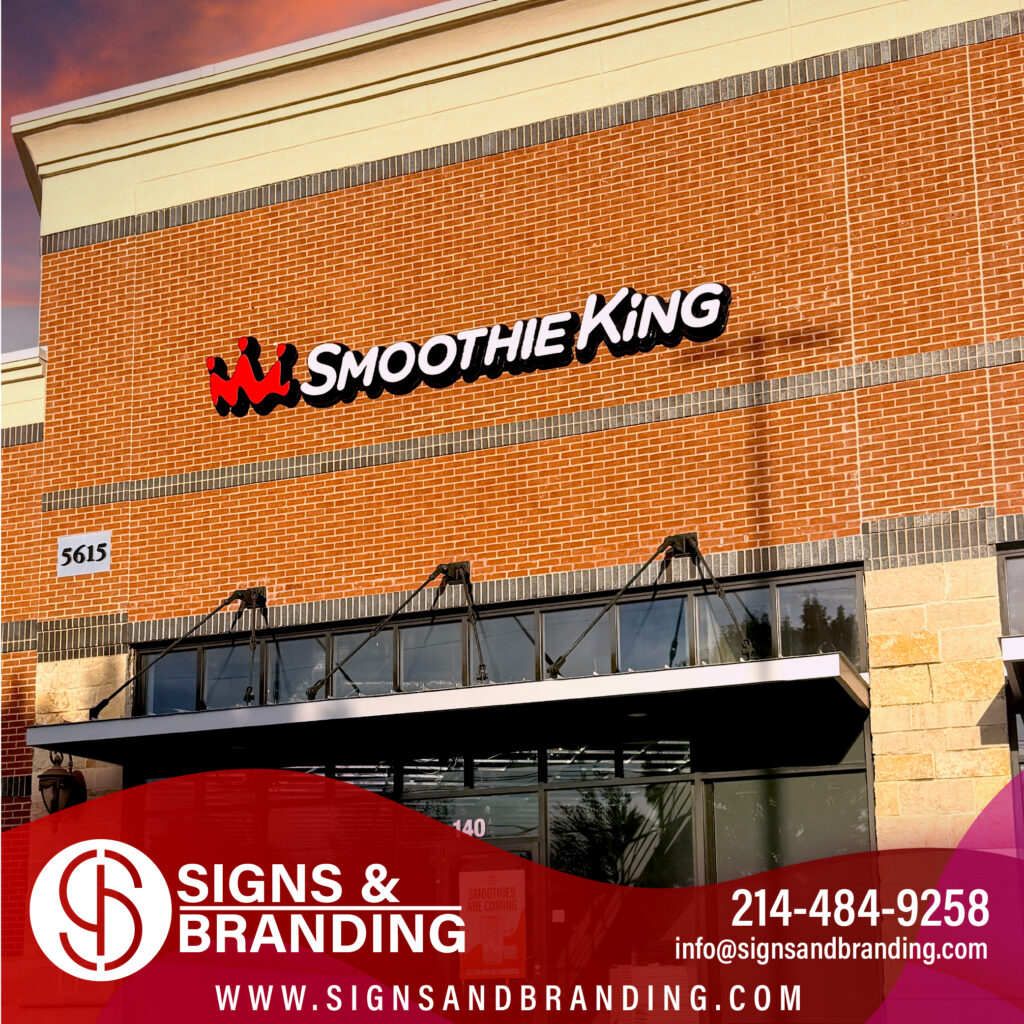
For multi-location projects, in-house manufacturing pays bigger dividends. Your five storefronts get built in our shop sequentially or in batches, all to the exact same specifications. Every sign is handled by the same fabrication crew, uses the same materials and processes, and meets the same quality standard. You’re not coordinating with five different manufacturers.
We also customize materials for Dallas weather. Our outdoor signs use weather-resistant materials designed to hold up through Texas heat, humidity, and occasional ice storms. Your signage maintains appearance across multiple seasons without fading or deterioration.
What to do next: Ask your potential sign partner whether they manufacture in-house or outsource. If they outsource, ask who manufactures, how they handle quality control across multiple shops, and what happens if the third party misses their deadline.
3. Unified Branding Standards for Multi-Location Consistency
A restaurant chain with three locations should look like one brand. A dental practice expanding to a second office should feel cohesive. A growing retail operation should maintain visual identity across all storefronts.
Yet most businesses develop their brand guidelines loosely, then watch them drift as locations open. The original location’s sign uses a specific blue. The second location’s designer interprets it slightly differently. By location three, your brand is fragmented across five slightly different visual identities.
We build unified branding standards before fabrication starts. This means documenting your sign design in a way that scales consistently. The elements that stay the same across all locations (logo treatment, primary color, font hierarchy) are locked in. The elements that flex per location (address, phone number, location-specific tagline) are templated. Everything else follows the template.
For multi-location work, we provide a “brand standards document” specific to your signage. It includes exact color codes (Pantone and RGB), approved typefaces and sizing rules, logo versions for different backgrounds, and spacing standards. Your team can reference this for any future locations, and you’ll know new signs will match existing ones.
This also protects your investment. If you sell one location two years from now, the sign’s professional appearance reflects well on the buyer. If you open a fourth location five years down the road, it integrates seamlessly with the original three.
What to do next: Audit your current locations’ signage. Take photos of each. List any inconsistencies you notice in color, font, logo sizing, or material finish. Bring this list when discussing a multi-location project so your designer understands where consistency matters most.
4. Permit Navigation for Multiple Dallas Area Sites
Dallas requires different permits depending on location. A sign in downtown Dallas follows different guidelines than one in suburban Plano or Carrollton. Monument signs are permitted differently than rooftop signs. Illuminated signs have separate requirements. Some areas have HOA restrictions that city permits don’t capture.
Most business owners assume permits are straightforward. Submit paperwork, get approval, install. In reality, permitting delays are the number one cause of project slowdown for multi-location sign work. Navigating the rules across multiple jurisdictions multiplies the complexity.
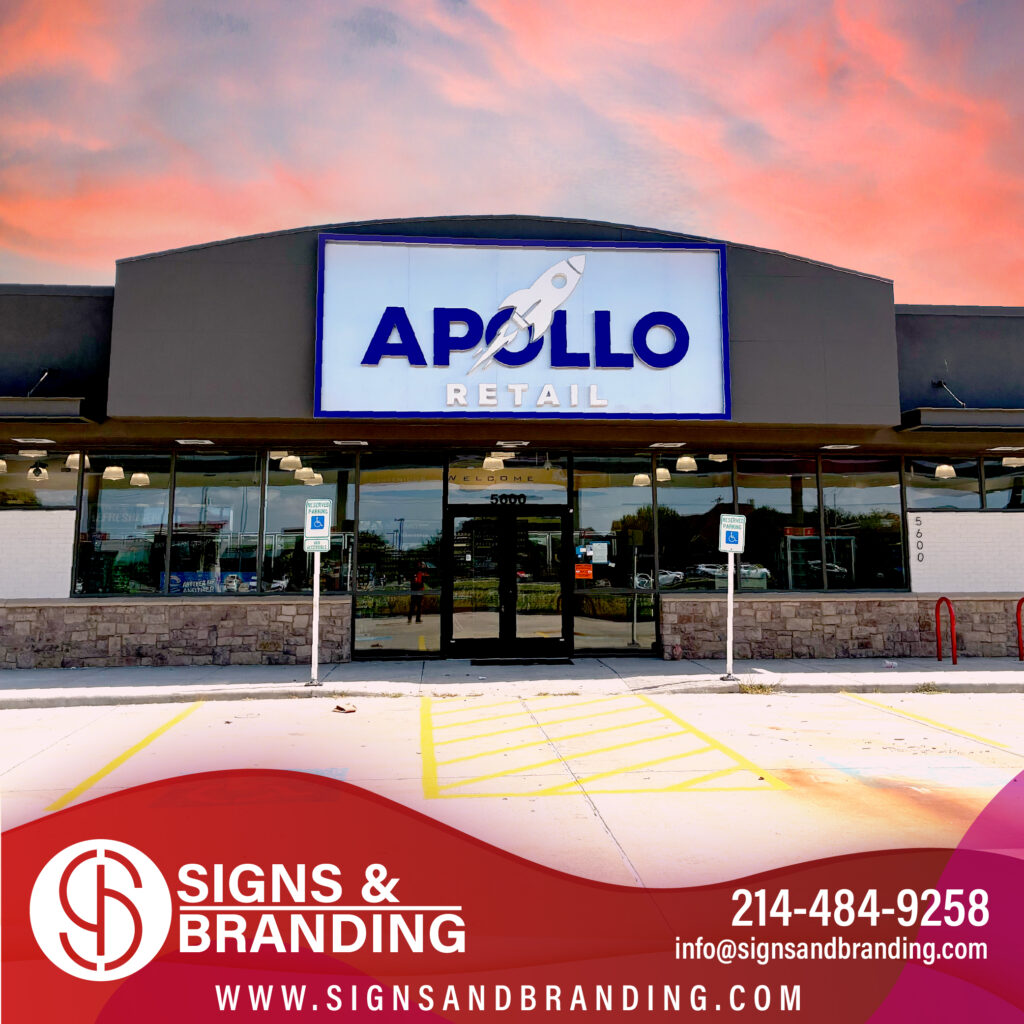
We handle permit navigation for all your locations. Our licensed team understands Dallas city codes, surrounding area regulations, and HOA rules that apply to each storefront. We pull permits, respond to inquiries, and manage the approval process. You don’t spend time on the phone with different city departments across three jurisdictions. We do.
Here’s the practical benefit. A restaurant group expanding to three new locations in different Dallas suburbs could spend 40+ hours navigating permits independently. We compress that into coordinated permit pulls across all three sites simultaneously. When one city requests design modifications, we adjust and resubmit across that city’s other locations if applicable. When another jurisdiction approves, we flag that for installation scheduling.
We also build permit timelines into your project schedule upfront. If one location’s permits historically take six weeks, we plan for that. You’re not surprised by delays late in the project.
What to do next: Before selecting locations, confirm what signage restrictions apply to each (city permits, HOA rules, setback requirements from the street). Your sign partner should factor these into design and timeline estimates.
5. Phased Installation Strategy to Minimize Downtime
Installing signs across multiple locations simultaneously isn’t always possible. You might have limited installation crews, prefer rolling out new branding rather than switching everything at once, or want to test messaging before rolling it out to all sites.
We design installation phases that align with your business needs. If you’re rebranding four locations, you might install one as a test, gather customer feedback, refine if needed, then roll out the remaining three. Or you might phase installations by neighborhood, or by location priority.
Our licensed installation team coordinates the entire schedule. We confirm each location is ready (construction complete, electrical work done, landlord approvals in place), schedule installations to avoid peak business hours, and complete each site efficiently. For a multi-location project, this means you’re not managing five separate installation appointments. We handle one consolidated schedule.
We also minimize disruption. We don’t install during your busiest hours. We protect customer access to your storefront during work. We clean up completely afterward. Your business operates normally while your new signage goes up.
Phased installation also reduces financial risk. Rather than investing heavily in all five locations at once, you phase spending across quarters. It also lets you manage staff training around new signage (if it changes how customers navigate your space).
What to do next: Determine which location to prioritize for installation first. Is it your flagship, a high-traffic area, or a location needing the most improvement? Schedule that first, then plan subsequent phases 2-4 weeks apart to allow feedback and iteration.
6. Centralized Project Management for All Locations
Coordinating five sign projects feels like managing five separate businesses. One location’s designer is asking about font sizes. Another location’s installer needs access. A third location’s landlord wants design approval. Without centralized project management, information scatters. Timelines slip. Accountability disappears.
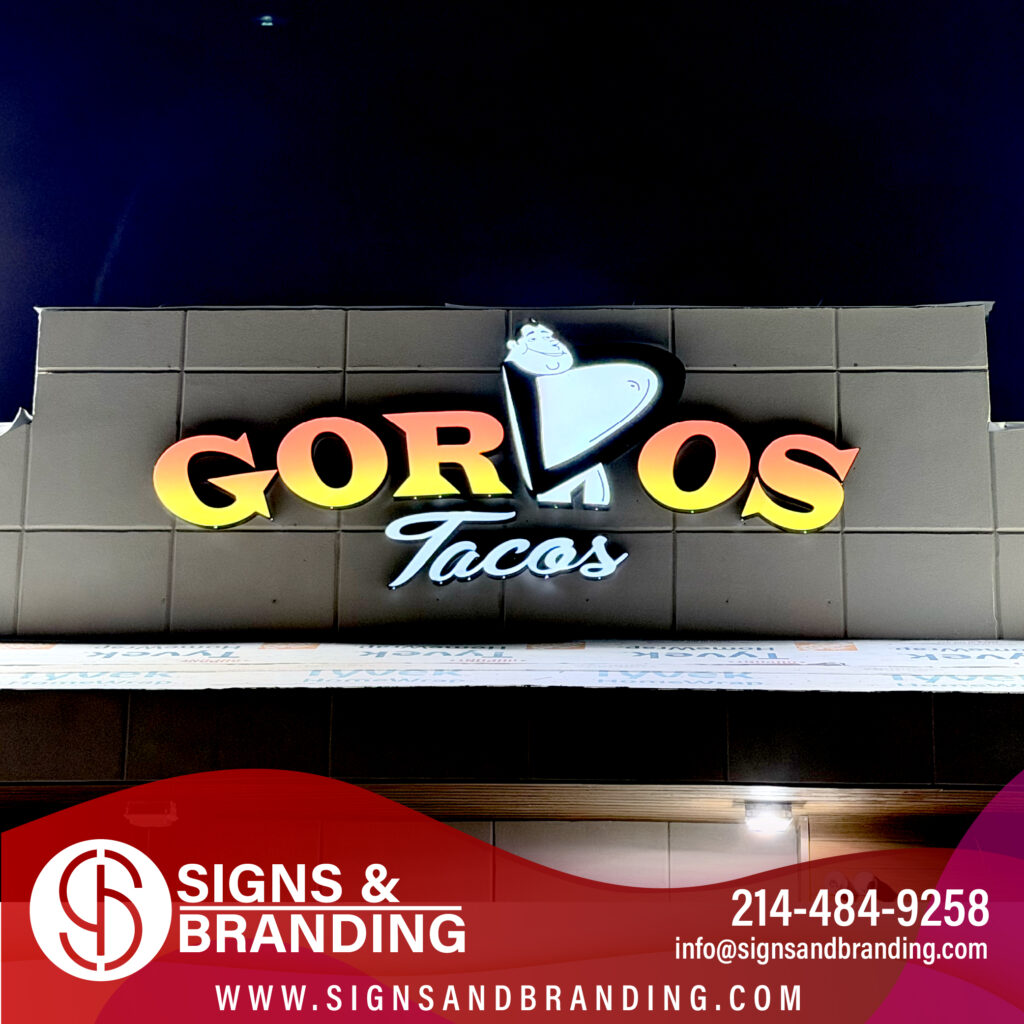
We assign one dedicated project manager to your multi-location account. This person owns the entire timeline from design through installation completion. They’re your single point of contact. They communicate with your team, coordinate with installers, manage permits, flag delays, and keep all locations moving forward together.
This person knows every location’s timeline, every design detail, every permit status. When your team has a question about location two, they ask one person who has complete context. When location three’s permit is delayed, the project manager adjusts the installation schedule proactively rather than letting you discover the problem the day before installation was supposed to happen.
Centralized management also creates accountability. You know who owns the project. You know who to contact. You know that someone is actively managing interdependencies across all five locations, not leaving it to chance or assuming things will work out.
For larger multi-location projects, we also provide a project portal where you can view design approvals, permit status, fabrication progress, and installation schedules in one place. You don’t need to wait for email updates. You log in and see current status yourself.
What to do next: Ask your sign partner how they assign accountability for multi-location projects. Do you get one project manager for all locations, or does each location get its own point of contact? Single contact is better. It’s easier to communicate and less likely that information falls through cracks.
7. Quality Warranty Coverage Across Every Sign Installation
A sign failure at one location damages your brand across all locations. A sign installed poorly, a material that fades faster than expected, or a structure that rusts or deteriorates reflects poorly on your entire company, not just that one site.
We back every sign with a 5-year quality warranty covering materials, fabrication, and installation workmanship. If a sign fails during that period due to manufacturing defect, material failure, or installation issues, we repair or replace it at no cost.
For multi-location projects, this warranty applies to all signs simultaneously. All five locations are protected under the same 5-year coverage. You’re not juggling five separate warranties with different terms and exclusions. One warranty covers everything we build and install for you.
The warranty also incentivizes us to get it right the first time. We don’t cut corners on materials or manufacturing because we’re financially responsible if a sign fails in year two or three. That alignment of incentives means your multi-location investment is protected.
We also include preventive maintenance recommendations for each sign type. Outdoor signs benefit from occasional cleaning. Illuminated signs require electrical inspection. Monument signs need foundation checks. We provide guidance upfront so you can maintain signs properly and keep warranty coverage active.
What to do next: Before committing to any sign vendor, request their full warranty details in writing. Confirm coverage applies to all locations, covers materials and fabrication and installation, and specifies how claims are handled. A strong warranty protects your multi-location investment.
For further reading: From design to install.