

Table of Contents
- Why Sign Permits and Landlord Approvals Matter for Your Business
- Understanding Dallas Sign Permit Requirements
- Common Reasons Permits Get Denied or Delayed
- How We Handle the Entire Permit Navigation Process
- Working with Your Landlord: What They Need to Know
- Design Considerations That Speed Up Approvals
- Our In-House Team Manages Every Step for You
- Timeline Expectations from Design to Installation
- Avoiding Costly Mistakes with Professional Guidance
- Getting Your Signs Approved Faster with Expert Support
- Frequently Asked Questions (FAQ)
Why Sign Permits and Landlord Approvals Matter for Your Business
Installing a new sign without proper permits and landlord approval creates real risk for your business. You could face costly fines, forced removal of your sign, or legal disputes with property owners. Beyond the financial hit, delays push back your grand opening or rebranding timeline, costing you customer visibility when you need it most.
The permit and approval process protects everyone. It ensures signs meet safety codes, don’t obstruct sightlines, and comply with zoning regulations designed to keep commercial districts functional and attractive. Your landlord wants assurance that any modifications to the building won’t violate lease terms or create liability.
Getting these approvals right from the start saves months of headaches. A clear process and proper documentation mean your sign goes up on schedule, not delayed by back-and-forth corrections or rejected applications. We’ve navigated hundreds of Dallas permit applications, and we’ve learned that planning ahead and understanding what officials need separates smooth approvals from frustrating delays.
Understanding Dallas Sign Permit Requirements
Dallas has specific rules governing commercial signage, and requirements vary by location, sign type, and size. Your storefront sign falls under different regulations than an interior lobby sign or a rooftop monument sign. The city also distinguishes between permanent and temporary signs, with temporary signs needing faster renewal.
Key factors that typically trigger permitting include:
- Sign size (measured in square feet)
- Height and setback from property lines
- Electrical connections (LED signs, illuminated letters)
- Structural modifications to the building
- Zoning district classification (downtown Dallas has stricter rules than suburban areas)
- Whether the sign is internally or externally illuminated
The Dallas city website lists sign code requirements, but deciphering them isn’t intuitive. Most business owners find it easier to work with someone experienced in reading these codes and translating them into practical design constraints. You’ll also need to consider whether your property is in a historic district or near a landmark, which adds additional layers of review.
Start by identifying which zoning district your property sits in and whether any overlay regulations apply. This determines your baseline permitting path. We typically pull this information early in our design process because it shapes what’s actually buildable on your site.
Common Reasons Permits Get Denied or Delayed
We’ve seen permit rejections that could have been avoided with better upfront planning. The most frequent issue is oversized signage. A business owner designs a beautiful, large sign only to learn it exceeds the square footage allowance for their zoning district. Redesigning means additional costs and delays.
Structural concerns rank second. If your sign requires roof attachments or wall penetrations, the city may request engineer stamps or structural drawings to verify the building can safely support the installation. Anticipating this need early prevents last-minute scrambling for documentation.
Incomplete applications cause surprisingly common delays. Missing property owner authorization, vague site plans, or unclear material specifications send applications back for revisions. Each round trip adds a week or two to your timeline.
Electrical and LED installations also generate scrutiny. Connections must meet code, and LED brightness specifications sometimes exceed what’s allowed in residential-adjacent areas. We’ve had projects delayed because the electrical design didn’t account for local utility company requirements.
Historic district and overlay regulations can derail timelines if you don’t flag them early. Some Dallas neighborhoods have design review boards that evaluate sign aesthetics in addition to code compliance. This review layer extends approval timelines but can be managed if you know it’s coming.
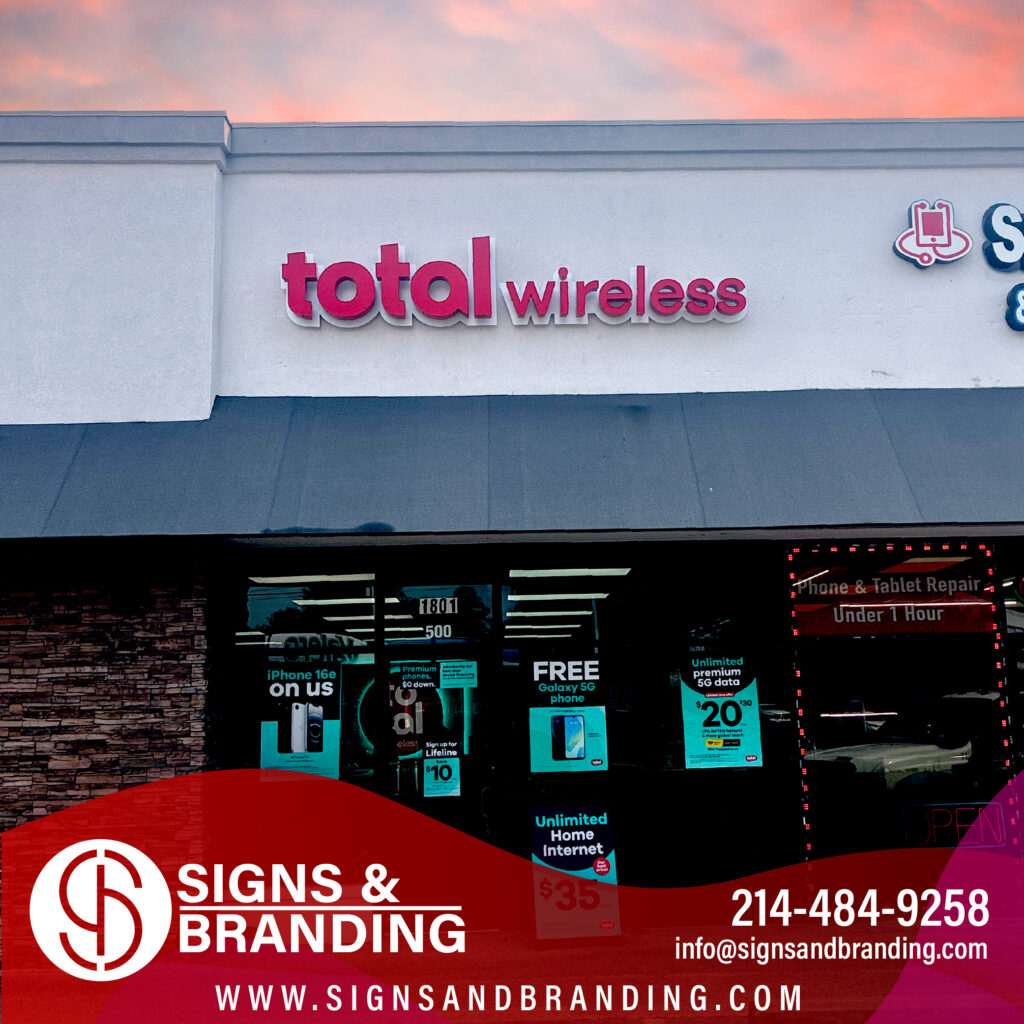
The fastest approvals happen when you provide complete, accurate information upfront. Photos of the installation location, precise measurements, material specifications, and electrical diagrams all accelerate the review process.
How We Handle the Entire Permit Navigation Process
We manage the entire permit workflow so you can focus on your business instead of navigating city bureaucracy. Our process starts with site analysis. We review your property’s zoning district, check for overlay regulations or historic district designations, and identify any structural or electrical constraints.
Next, we create design options that fit within the regulatory framework. We don’t waste your time on beautiful concepts that won’t get approved. Instead, we present designs that meet code while achieving your branding goals. This upfront alignment prevents redesigns later.
Once you approve a design, we prepare the permit application. This includes detailed site plans, material specifications, electrical schematics (for LED signs), and structural calculations if needed. We compile these into a package that answers every question a permit reviewer might ask.
We submit the application and then monitor its status. When the city requests additional information, we respond quickly with clarifications or supplemental documentation. We’ve built relationships with city reviewers over years of projects, which helps us understand what documentation style gets the fastest response.
Finally, we coordinate with city inspectors before and after installation to ensure everything meets the approved design. This final inspection step confirms your sign is legally compliant and protects you from future issues.
Working with Your Landlord: What They Need to Know
Your landlord or property manager has legitimate concerns about any modifications to the building. They need to know that your sign won’t damage the structure, won’t create electrical hazards, and won’t violate lease terms or local regulations.
Provide your landlord with a clear explanation of what you’re installing, where it’s going, and how it will be attached. Include photos or renderings so they can visualize the end result. For most landlords, a professional presentation showing compliance with city codes and structural safety goes a long way.
If structural modifications are involved, your landlord may request proof that the work meets building code. We provide engineering documentation when needed. Many landlords also want to see that the installation company is licensed and insured, protecting them from liability. Our five-year warranty and full insurance coverage give landlords confidence that they’re not inheriting future problems.
Get written landlord approval before submitting your permit application. Many permit applications require landlord sign-off. Having this paperwork ready accelerates the process and prevents delays if the city reaches out to verify the property owner’s consent.
Some lease agreements contain specific signage restrictions or require landlord approval for electrical work. Review your lease before discussing sign plans with your landlord. If there’s any conflict, address it directly rather than discovering it mid-project.
Design Considerations That Speed Up Approvals
Strategic design choices minimize permit delays and increase approval odds. Size your sign conservatively within code limits. A sign that’s 95% of the allowed square footage leaves no margin for error if a reviewer interprets dimensions differently. Building in a 10-15% buffer gives you flexibility.
Choose mounting methods that don’t require structural modifications when possible. Wall-mounted signs that attach to existing framing are faster to approve than roof-mounted signs that need engineer stamps. Pole-mounted signs on your own property avoid neighbor disputes and easement complications.
Select materials and finishes that don’t trigger additional review. Standard materials like aluminum composite, brushed stainless steel, or painted metal get faster approval than materials requiring special certifications or unusual installation methods.
For LED signs, keep brightness specifications within typical commercial ranges. Excessively bright signs attract extra scrutiny for neighbor compatibility and light pollution. We design LED brightness to meet code while ensuring your sign stands out during day and night.
Keep electrical connections simple and centralized. Signs that require multiple circuits or run conduit across visible building surfaces take longer to approve than signs with a single, concealed electrical connection.

Working with us, you benefit from our understanding of what designs sail through review versus what gets flagged for additional scrutiny. Our in-house design team builds compliance into every concept, not as an afterthought.
Our In-House Team Manages Every Step for You
We don’t hand off your project to external designers or permit expeditors. Our entire team, from designers to installation specialists, works in-house. This means consistent communication, faster decision-making, and accountability throughout your project.
Our designers understand Dallas code requirements and build permits into their thinking from the start. When you approve a design with us, you’re approving something that’s already been vetted for compliance. No surprises later.
Our permit specialists manage all city interactions. They know which documents get submitted to which departments and how to communicate changes or clarifications clearly. When the city has questions, we respond within days, not weeks.
During fabrication, our team references the approved permit drawings to ensure every detail matches the design the city approved. This alignment prevents installation surprises or inspector rejections.
On installation day, our licensed and insured crew installs exactly what was permitted. We coordinate final inspections and handle any city requests for adjustment or documentation. Our warranty covers both the sign and installation quality, so you’re protected long-term.
Timeline Expectations from Design to Installation
Most projects move from design to installed sign in 2-3 weeks. This assumes your property doesn’t sit in a historic district or overlay zone requiring design review board approval.
For a straightforward project, expect 3-5 days for initial site analysis and design concepts. You’ll review options and approve a final design within a week. Once approved, we prepare permit documentation over 3-5 days and submit immediately.
City permit review typically takes 5-10 business days for standard commercial signs. More complex projects involving structural or electrical concerns may take 2-3 weeks. The city will notify us if additional documentation is needed. When it is, we usually provide it within a week, minimizing delays.
After permit approval, fabrication begins. Most signs are ready for installation within 2 weeks. Installation itself typically takes 1-3 days depending on size and complexity.
Historic district and design review board approvals add 2-4 weeks to the timeline. These boards usually meet monthly, so timing depends on meeting schedules. We plan for this upfront so you understand the extended timeline.
Real-world example: A restaurant in Uptown Dallas needed a new storefront sign. We analyzed the site, discovered it sat in an overlay zone with design review, and planned accordingly. Initial approval took 5 days, design review added 3 weeks, but the overall project stayed on track because everyone understood the timeline. Sign installation happened exactly when the restaurant was ready to open.
Avoiding Costly Mistakes with Professional Guidance
The most expensive mistake is designing a sign without checking permit requirements first. We’ve seen business owners invest $3,000-5,000 in sign design only to learn it can’t be built to code at their location. Starting your project with us means designs are compliant from day one.
Another costly error is underestimating structural needs. A heavy monument sign or rooftop installation requires engineering documentation. Skipping this step means the city rejects your application mid-project, forcing expensive design revisions. We spec structural requirements early and include engineering in initial planning.
Misunderstanding landlord restrictions creates expensive change orders. A lease might prohibit roof penetrations or electrical work on certain parts of the building. We help you review lease language upfront so no surprises derail your installation.

Choosing the wrong contractor for electrical work can create code violations. Non-licensed electricians sometimes cut corners on conduit routing or disconnect safety. Our licensed installers ensure electrical work meets code, protecting you from future liability or forced removal.
Delaying landlord approval until after permitting slows everything down. Get written landlord consent before submitting your permit application. This prevents rejection based on missing property owner sign-off.
Getting Your Signs Approved Faster with Expert Support
The fastest approvals come from working with someone who knows Dallas code inside and out and has relationships with city reviewers. We’ve submitted hundreds of permit applications in Dallas, and we’ve learned exactly what gets approved quickly and what triggers delays.
Start your project by talking with us about your goals and site constraints. We’ll tell you what’s buildable, what will take longer to approve, and what timeline to expect. This upfront conversation prevents surprises and sets realistic expectations.
Bring any existing design concepts you have, but be open to adjusting them for compliance. The best sign is one that looks great and gets approved the first time. We balance aesthetics with permit reality to give you both.
Provide us with access to your property for site photos and measurements. Accurate site documentation speeds permit review because reviewers can visualize exactly where your sign will go and how it relates to surrounding structures.
Keep an eye on your email during the permit review phase. If the city asks for clarifications, we’ll reach out to you and move quickly to gather what’s needed. Fast response times at this stage keep momentum going.
Our five-year warranty and licensed installation mean your sign stays compliant long after installation. We stand behind our work, which includes ensuring every detail meets code.
Next step: Schedule a free consultation with our team. Bring photos of your location and any design ideas you’re considering. We’ll review your site, explain permit requirements specific to your property, and give you an accurate timeline and budget for your project. Contact us at https://signsandbranding.com/ to get started.
For further reading: Storefront sign regulations.
Contact us today for a FREE Estimate
Frequently Asked Questions (FAQ)
How long does the sign permit process typically take in Dallas?
We usually see permits approved within 2-3 weeks, though this depends on the City of Dallas’s current workload and whether your design needs revisions. Our team handles all the paperwork and follow-ups directly with the city, so you don’t have to navigate the process alone. We’ll keep you informed every step of the way and let you know if anything unexpected comes up.
What information do we need from landlords to move forward with a sign project?
We need your landlord’s written approval on letterhead, a copy of your lease showing signage permissions, and sometimes a site plan showing exactly where the sign will be placed. Most landlords are familiar with this process, and we can provide them with a template if it helps move things along. Once we have their approval in writing, we can submit everything to the city with confidence.
What design mistakes cause permits to get rejected or delayed?
The most common issues we see are oversized signs that exceed Dallas zoning limits, colors or materials that don’t comply with neighborhood guidelines, and insufficient setback from property lines. We review all these factors during our design phase to catch problems before submitting to the city. Our experience with Dallas code requirements means we typically get approvals on the first or second submission rather than facing multiple rounds of revisions.