

Table of Contents
- 1. Understanding Dallas Sign Code Regulations and Requirements
- 2. Pre-Design Consultation and Site Assessment
- 3. Preparing Your Sign Specifications and Documentation
- 4. Submitting Your Complete Permit Application
- 5. Working Through the Review and Approval Timeline
- 6. Addressing City Feedback and Revision Requests
- 7. Final Inspection and Installation Approval
- Frequently Asked Questions (FAQ)
1. Understanding Dallas Sign Code Regulations and Requirements
Getting a commercial sign permit in Dallas can feel overwhelming if you don’t know where to start. The city has specific codes, timeline expectations, and documentation requirements that trip up business owners every day. Without a clear roadmap, you risk delays, rejections, and costly revisions.
We’ve guided hundreds of DFW business owners through this process, and we’ve learned that success hinges on understanding the system early and preparing documentation thoroughly. Here’s how to navigate Dallas commercial sign permits from start to finish.
Dallas enforces sign ordinances through a detailed municipal code that covers size, placement, materials, lighting, and structural safety. These rules vary by zoning district and property type, so what works for a strip mall won’t necessarily work for a downtown office building.
The city distinguishes between wall-mounted signs, freestanding signs, digital displays, and interior signs, each with different height and square footage limits. LED and illuminated signs require additional electrical compliance and may need a separate electrical permit. Residential zones typically have the strictest limitations, while commercial zones allow more flexibility.
Height restrictions typically max out at 40-50 feet for freestanding signs in most commercial areas, but setback requirements and property line distances reduce usable space significantly. Brightness standards for LED signs prevent glare complaints and light trespass violations. Color restrictions in some zones prohibit certain hues that might clash with neighborhood character.
Understanding these rules before you invest time in design saves weeks of revision cycles. We recommend starting by reviewing the Dallas storefront permits guide for your specific property classification, then confirming with the city’s Development Services department whether your concept aligns with local ordinances.
Your action: Contact Dallas Development Services (214-671-0111) or visit their online permit portal to pull the specific code sections that apply to your property’s zoning district. Write them down before design work begins.
2. Pre-Design Consultation and Site Assessment
Before a designer touches a pencil, a physical site visit is essential. What looks feasible on a map often has hidden obstacles: power lines, tree coverage, neighboring building proximity, or sight line issues that the city will flag immediately.
We conduct on-site assessments to measure existing structures, document power availability, check visibility angles, and photograph the surrounding context. This process reveals whether your ideal sign location complies with setback requirements or conflicts with protected trees. We also identify wind load zones and weather exposure conditions, which directly impact material and structural specifications.
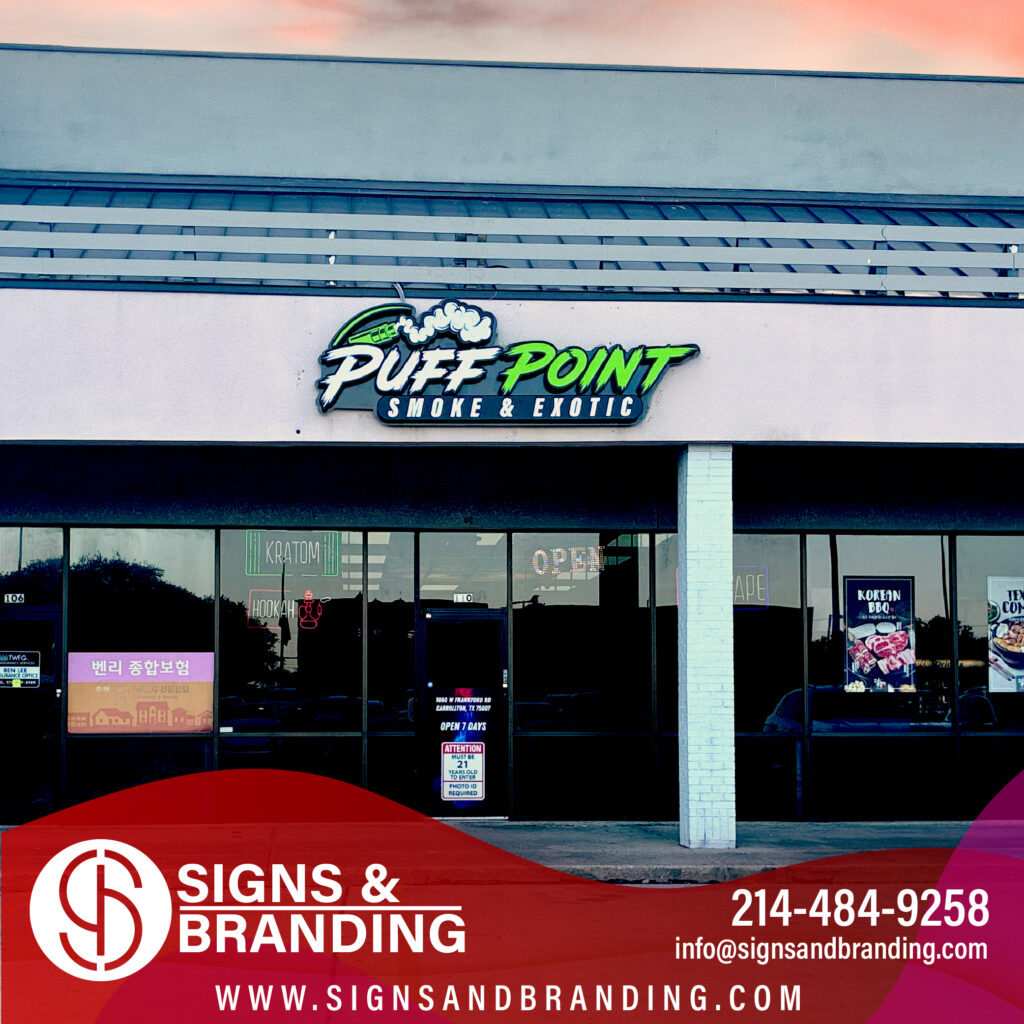
During the site visit, we note municipal utilities, existing signage on adjacent properties, and neighborhood character to anticipate what the approval process will prioritize. A downtown location near historic districts requires extra sensitivity to design compatibility. A retail strip mall might prioritize co-tenancy sign consistency.
This consultation also confirms budget reality. Some locations require more expensive engineering or weatherproofing, which affects the total cost. Understanding this before design prevents sticker shock later and ensures your permit application reflects realistic specifications.
Your action: Schedule a free site consultation with us or a qualified sign company before you meet with the city. This typically takes 30 minutes and prevents costly missteps in the design phase.
3. Preparing Your Sign Specifications and Documentation
The city requires detailed drawings, calculations, and certifications that many business owners assume will be handled “during the permit process.” In reality, you need these documents ready before you submit anything.
Standard permit applications demand a site plan showing the sign’s exact location, dimensions (height, width, depth), offset from property lines, and distance from utilities. Professional renderings showing how the sign integrates with your building are strongly preferred and speed up review. Material specifications, including paint finish and LED wattage ratings, must be listed precisely.
Engineering stamped calculations are mandatory for signs over 15 square feet or those exposed to high wind zones. These calculations prove the structure can withstand Dallas weather, including ice loading and wind speeds. Electrical specifications and a one-line diagram are required if the sign uses power. Some properties also need soil boring data for freestanding signs with deep footings.
We prepare all these documents in-house and ensure they meet current city standards. Our design team coordinates with structural engineers to handle load calculations and wind analysis, then with our electrical specialists to verify power requirements. This comprehensive package accelerates city review because inspectors receive complete, professional documentation rather than incomplete submissions that spark rounds of requests.
Your action: Request a complete specification package from your sign provider, not just a design mockup. If they can’t provide engineering stamps and electrical diagrams, you’ll face delays during city review.
4. Submitting Your Complete Permit Application
Dallas accepts permit applications through its online Development Services portal, in person, or by mail. Online submission is fastest and creates a digital record that the city can track and comment on easily.
The application itself is straightforward: basic site information, property owner consent, sign contractor information, and fee payment. The real complexity is attaching the required documents: site plans, design renderings, material specs, engineering certifications, electrical diagrams, and proof of property authorization if you’re not the owner.
Incomplete applications are rejected immediately, resetting the clock. Missing a single document means resubmission and another 1-2 week wait. We’ve seen applications rejected because a site plan lacked utility lines or because electrical specs didn’t include panel locations. The city’s checklist is non-negotiable.
Permit fees in Dallas are typically $100-300 for standard commercial signs, though more complex projects (large freestanding signs, electrical work) cost more. Paying the correct amount upfront prevents processing delays.
Your action: Before you submit, run through the city’s official checklist on the Dallas Development Services website and physically verify every document is included and labeled correctly. One missing page means a restart.
5. Working Through the Review and Approval Timeline
Once submitted, most Dallas sign permits receive an initial review within 5-7 business days. The city checks for code compliance, structural feasibility, and neighborhood fit. This first review rarely results in approval; most applications get a “conditional approval” or “request for information” requiring clarification or minor revisions.
The typical approval timeline in Dallas is 2-3 weeks for straightforward projects. Complex signs requiring neighborhood impact analysis or architectural review board approval can extend to 4-6 weeks. Our in-house expertise helps us anticipate what the city will question and build defensible justifications into our initial submission, reducing revision rounds.
During this phase, stay responsive to the city’s requests. If they ask for clarification by a specific date and you miss it, your application is abandoned and you restart from scratch. We monitor all our client applications and flag any requests immediately so nothing slips through.
Your action: Assign one person in your organization as the point of contact for all city correspondence, and check email daily during the permit window. Slow response times can add weeks to approval.
6. Addressing City Feedback and Revision Requests
Nearly every permit gets at least one round of revisions. The city might request a larger setback, a reduction in sign size, different LED brightness levels, or additional engineering analysis. These requests are standard and not a sign your design failed; they’re part of the normal approval process.
Common revision requests we encounter include adjusting sign height due to sight line concerns, modifying materials to match neighborhood aesthetics, or adding structural reinforcement for wind resistance. Our design team revises and resubmits within 2-3 days, keeping momentum and preventing the application from stalling in the queue.
Some requests reflect genuine code conflicts, while others reflect reviewer preference or neighborhood sensitivity. Understanding the reasoning behind each request helps us craft responsive revisions that address concerns without compromising your vision. For example, if the city objects to LED brightness, we might propose a lower wattage or motion sensor dimming rather than removing illumination entirely.
Maintain professional communication with city reviewers. They’re not obstacles; they’re partners ensuring your sign meets standards and fits the community. A respectful tone and willingness to incorporate feedback gets faster approvals than defensive pushback.
Your action: When the city requests revisions, ask specifically why (code violation vs. preference) so you can address the root concern rather than guessing at a fix.
7. Final Inspection and Installation Approval
Once the city approves your permit, you receive a permit number and a deadline to begin installation (typically within 6 months). Before we install anything, we schedule a pre-construction meeting with the city to confirm there are no last-minute concerns and to verify that actual site conditions match what the permit drawings showed.
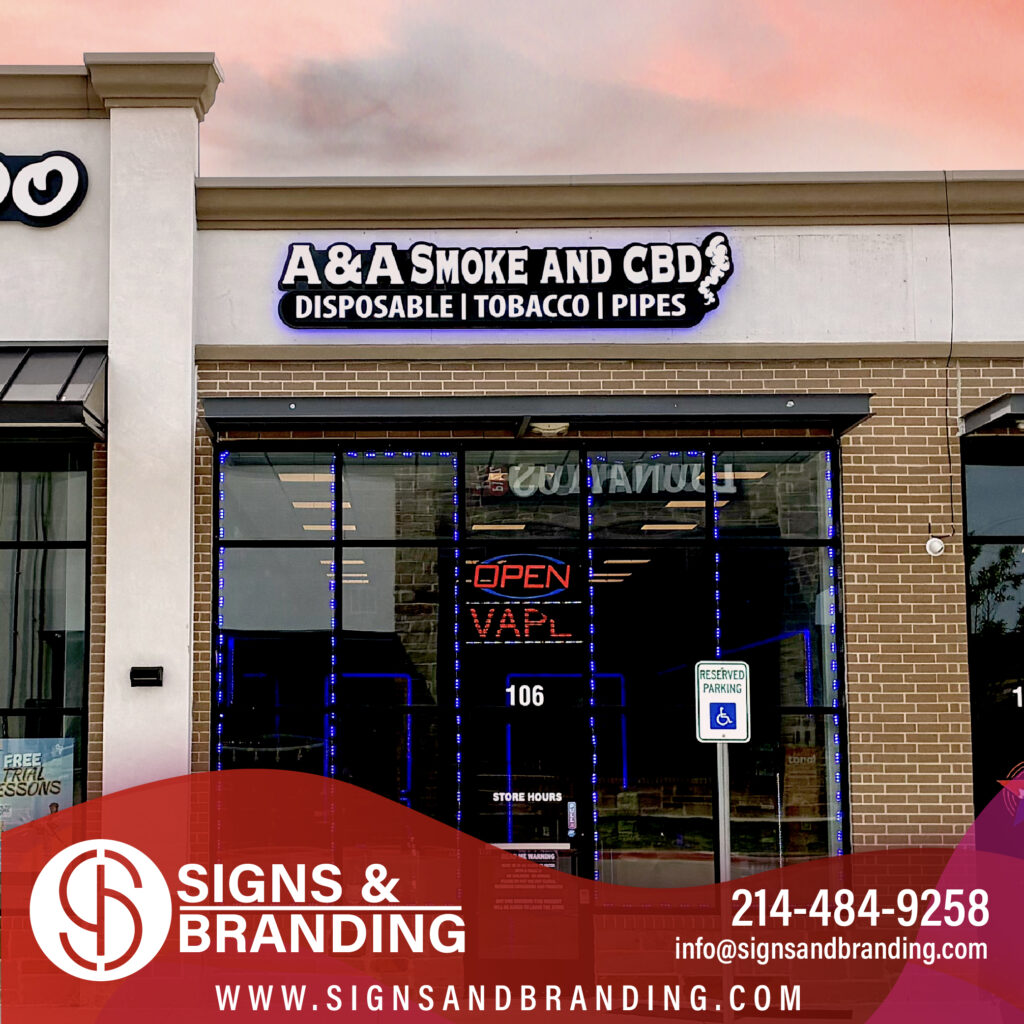
Installation must follow the approved plans exactly. Any significant deviation requires a permit amendment, which can delay completion by weeks. We photograph the installation process and maintain documentation proving compliance with permit conditions, electrical codes, and safety standards.
After installation is complete, the city conducts a final inspection. Our licensed and insured team ensures every connection, bolt, and electrical detail passes scrutiny. We handle any inspection failures immediately rather than allowing them to linger.
Once the inspection passes, you receive a certificate of occupancy or final approval, and your sign is legal to operate. For LED signs, this also means the electrical system is certified and safe.
Your action: Schedule the final inspection as soon as installation is complete. Don’t wait; the sooner you pass, the sooner your sign generates business.
The Dallas commercial sign permit process rewards preparation and expertise. Business owners who attempt permits alone often face rejections, revisions, and timelines that stretch to four or five months. Those who partner with experienced sign companies navigate the system efficiently and get installed faster. We manage the entire process from site assessment through final inspection, with in-house design teams that understand Dallas code deeply, engineering and electrical specialists who ensure every specification meets city standards, and licensed and insured installation crews so inspections pass on the first try. Most importantly, we deliver your sign within 2-3 weeks once the permit is approved, keeping your project on schedule. We back every installation with a 5-year quality warranty, so your sign performs for years without unexpected maintenance or replacement costs.
If you’re planning a commercial sign, storefront refresh, or LED upgrade in the Dallas area, let us handle the permit complexity. We’ll get you approved faster and installed right. Contact us today for a free site consultation and permit roadmap specific to your project.
Contact us today for a FREE Estimate
Frequently Asked Questions (FAQ)
How long does the Dallas sign permit process typically take?
We handle the entire permit navigation process for you, and most commercial sign projects in Dallas move through approval within 3-4 weeks from submission. However, the timeline depends on the city’s current workload and whether revisions are requested during review. We’ll keep you informed at every stage and work with the city on your behalf to keep things moving smoothly.
Can you help us understand Dallas sign code regulations before we design our sign?
We conduct a pre-design consultation and site assessment to review all applicable Dallas sign codes for your specific location and business type. During this phase, we evaluate setback requirements, size restrictions, lighting limitations, and zoning compliance so your design meets regulations from the start. This upfront work prevents costly revisions and rejection later in the process.
What happens if the city requests changes to our sign design after we submit the permit application?
We manage all revision requests directly with the city and modify your design specifications as needed. Most feedback is straightforward to address, and we resubmit the updated documentation promptly. Our experience navigating these requests means we typically resolve them quickly and get your project back on track toward final approval.