

Table of Contents
- Why Texas Businesses Need Weather-Resistant Outdoor Signage
- Understanding Texas Weather Challenges for Your Signs
- Material Selection for Maximum Weather Durability
- How We Engineer Signs to Withstand Extreme Conditions
- Installation Methods That Ensure Long-Term Performance
- The 5-Year Warranty Difference in Outdoor Signage
- Real-World Performance in Dallas Climate Conditions
- Maintenance Tips to Extend Your Sign Life
- Protecting Your Brand Investment with Proper Design
- Getting Your Permits and Compliance Right
- Frequently Asked Questions (FAQ)
Why Texas Businesses Need Weather-Resistant Outdoor Signage
Your storefront sign is often the first impression customers have of your business. In the Dallas area, that sign faces relentless sun, sudden hail, high winds, and temperature swings that can compromise ordinary materials in months. We’ve seen businesses invest in signage only to watch it fade, crack, or corrode within a year because they didn’t account for Texas weather from the start.
A weather-resistant outdoor sign isn’t a luxury, it’s a necessity. Your sign represents your brand 24/7, and when it looks worn or damaged, it tells customers you don’t maintain your business. The good news: choosing the right materials and construction methods means your sign can look professional and protect your investment for years.
The difference between a sign that lasts two years and one that lasts ten often comes down to decisions made during design and fabrication. We build signs specifically engineered for North Texas conditions, which means your outdoor signage stays vibrant and structurally sound through summer heat peaks exceeding 100 degrees, winter freeze-thaw cycles, and the occasional severe weather event.
Actionable takeaway: Before you approve any outdoor sign design, ask your provider whether the materials and installation method are rated for Texas humidity, UV exposure, and wind load requirements specific to your location.
Understanding Texas Weather Challenges for Your Signs
Dallas doesn’t just get hot, it gets relentlessly sunny. We average over 230 days of sunshine annually, which means your sign’s colors and protective coatings face continuous UV bombardment. Standard paints and cheaper plastics fade noticeably within 12-18 months under this exposure.
Wind is another critical factor. Our region sits in a zone where 70+ mph gusts aren’t uncommon during spring and summer. An improperly anchored or lightweight sign can become a liability. We’ve seen signs pulled off buildings, bent pole supports, and entire monument signs topple because installation didn’t account for wind load calculations required by Dallas building codes.
Thermal cycling (the daily expansion and contraction from 95-degree days to 65-degree nights) puts stress on joints, fasteners, and adhesive seals. Moisture infiltration follows, leading to rust, delamination, and internal corrosion that you can’t see until the damage is severe.
Dallas also experiences occasional ice storms and hail events. Signs with poor drainage or exposed fasteners can accumulate ice weight, and even pea-sized hail can dent aluminum or crack acrylic if the material isn’t chosen carefully.
Understanding these pressures helps you make informed choices. When we design your sign, we account for all of these conditions simultaneously, not as afterthoughts.
Material Selection for Maximum Weather Durability
The materials you choose determine how long your sign actually lasts. We typically recommend a hierarchy based on your budget and environment.
Aluminum composite panels are our workhorse choice for most outdoor applications. They resist corrosion, won’t rot or warp, and handle thermal cycling well. We use marine-grade aluminum with protective anodizing to prevent oxidation. The composite core resists moisture absorption, so your sign won’t swell or delaminate.
Acrylic and polycarbonate excel for faces and translucent elements because they resist UV fading better than vinyl when treated with UV-protective coatings. Polycarbonate is tougher (often used for hail-prone areas), while acrylic offers superior clarity. Both are significantly more durable than standard plastic.
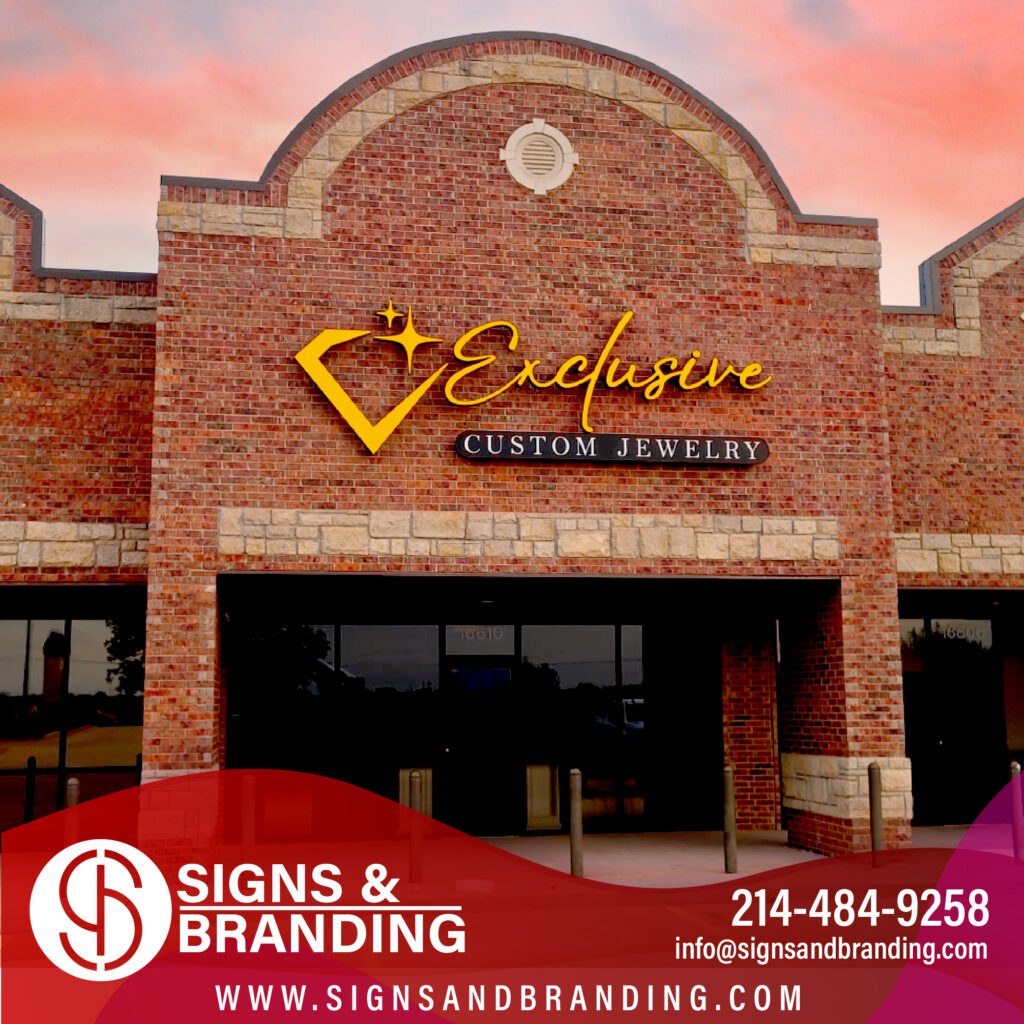
Powder-coated steel provides excellent structural integrity for frames and support systems. We use marine-grade powder coat finishes that resist salt air, acid rain, and oxidation. The coating process creates a chemical bond stronger than paint.
LED modules and lighting components require weatherproofing separate from your sign face. We install only IP65-rated or higher LEDs with sealed connections and stainless steel hardware. This prevents moisture infiltration that would cause electrical failure.
For detailed guidance on selecting the right materials for your specific conditions, our resource on best sign materials for Texas covers durability ratings and cost comparisons.
Actionable takeaway: Avoid mixing materials with different thermal expansion rates (like aluminum frames with vinyl faces). Ask your sign provider whether they’ve tested their specific material combinations in thermal cycling chambers.
How We Engineer Signs to Withstand Extreme Conditions
Engineering starts with calculations, not guesses. We assess your site’s wind load based on Dallas wind zone requirements, building height, surrounding obstructions, and your sign’s profile. A 12-foot wide monument sign on a pole requires completely different engineering than a 6-foot wall-mounted sign. Undersizing support structures is how signs fail catastrophically.
Our fabrication process includes precision welding and reinforcement at stress points. We don’t just assemble parts, we engineer load paths that distribute force efficiently. This means thicker gauge materials at joints, gussets at angles, and support brackets engineered for the specific forces your sign will experience.
Drainage design is often overlooked but critical. Water that sits on or behind signage leads to rust and corrosion. We design every sign with positive slopes and drain holes that prevent pooling. Internal cavities include weep holes sized to allow water escape while preventing debris infiltration.
Sealing and gasket placement prevent moisture from entering joints and fastener holes. We use marine-grade silicone and EPDM gaskets in high-moisture environments. All fasteners are stainless steel (not plated steel, which corrodes). Your sign won’t look good if rust streaks run down the face from corroded fasteners.
For LED signage specifically, we enclose wiring in conduit and use sealed junction boxes with silicone sealant around every entry point. Moisture is an electrical fire hazard and a sign failure mechanism.
Installation Methods That Ensure Long-Term Performance
Fabrication quality means nothing if installation isn’t done right. We’re licensed and insured, and every installation follows Dallas building code requirements plus manufacturer specifications for your materials.
Our crew assesses structural conditions at your location before installation begins. A wall-mounted sign on a brick facade requires different anchoring than one on stucco or composite material. We verify structural integrity, use appropriate fasteners for your substrate, and often install backing plates to distribute load properly.
Pole foundations get proper concrete work with appropriate depth below frost line. A shallow foundation heaves in freeze-thaw cycles, causing your sign to shift and joints to separate. We use concrete specifications that exceed Dallas minimum requirements.
After installation, we verify everything with a final inspection: proper drainage, no gaps or exposed fasteners, all electrical connections secure, and proper caulking around all penetrations. This isn’t just box-checking, it’s the difference between a sign that lasts three years and one that lasts ten.
Actionable takeaway: Get a written installation timeline and verification checklist from your provider. Poor installation voids even the best materials and warranties.
The 5-Year Warranty Difference in Outdoor Signage

We back our work with a 5-year quality warranty covering materials and workmanship. This isn’t a marketing promise, it’s a commitment that reflects our confidence in our engineering and execution.
A typical industry warranty covers 1-2 years or is heavily limited. After two years, you’re on your own if something fails. Our 5-year warranty means we’re accountable through the most challenging years for your sign in Texas weather. If defects appear due to our materials or installation, we fix it.
The warranty covers structural issues, coating failures, electrical problems with LEDs (excluding normal lamp life), and hardware failures from corrosion. It doesn’t cover neglect or damage from external events (like a tree branch hitting your sign), but it does cover what we control: material quality and installation precision.
This longer coverage period actually saves you money. You’re protected during years two through five when many cheaper signs start showing problems. By year five, you’ve had solid brand presence without unexpected repair bills.
Real-World Performance in Dallas Climate Conditions
We’ve installed hundreds of weather-resistant outdoor signs across the Dallas area over years of operation. The data from our installations shows material and installation choices make a measurable difference.
Signs we fabricated in 2019 using marine-grade aluminum with powder coat finishes and stainless fasteners show minimal fading and zero rust or corrosion. The structural integrity remains excellent. Compare that to a competitor-installed sign from the same era nearby, where the aluminum shows visible oxidation and the fasteners have corroded, creating rust streaks down the face.
Monument signs with proper drainage and sealed joints we installed in 2018 remain watertight with no internal corrosion. Signs from that period with poor drainage design show visible water staining and, when opened for LED maintenance, internal rust on support structures.
LED installations we completed in 2020 using sealed modules and conduit-protected wiring continue operating reliably. We’ve had zero electrical failures from moisture infiltration. Nearby LED signs from budget providers have experienced multiple LED module failures traced to water ingress.
This real-world track record isn’t bragging, it’s evidence that proper engineering and materials matter intensely in Texas conditions.
Maintenance Tips to Extend Your Sign Life
Even the most durable sign benefits from basic maintenance. We recommend annual inspections, ideally before spring weather patterns kick in.
Walk around your sign and look for standing water, visible cracks, loose fasteners, or areas where caulk has separated. These small issues are easy and cheap to fix when caught early. Ignored, they escalate into corrosion and structural problems.
Clean your sign twice yearly with mild soap and water. Don’t use abrasive cleaners or high-pressure washers that can damage seals and coatings. For LED signs, check that all exterior connections are still tight and that no debris is blocking ventilation on electronic components.
If you notice rust streaks or corrosion spots, have them addressed promptly. Surface corrosion spreads, especially in Texas humidity. We offer maintenance services and can touch up protective coatings as needed.
Actionable takeaway: Document your sign’s condition with photos annually. This creates a reference for maintenance planning and helps you notice changes that require attention.
Protecting Your Brand Investment with Proper Design
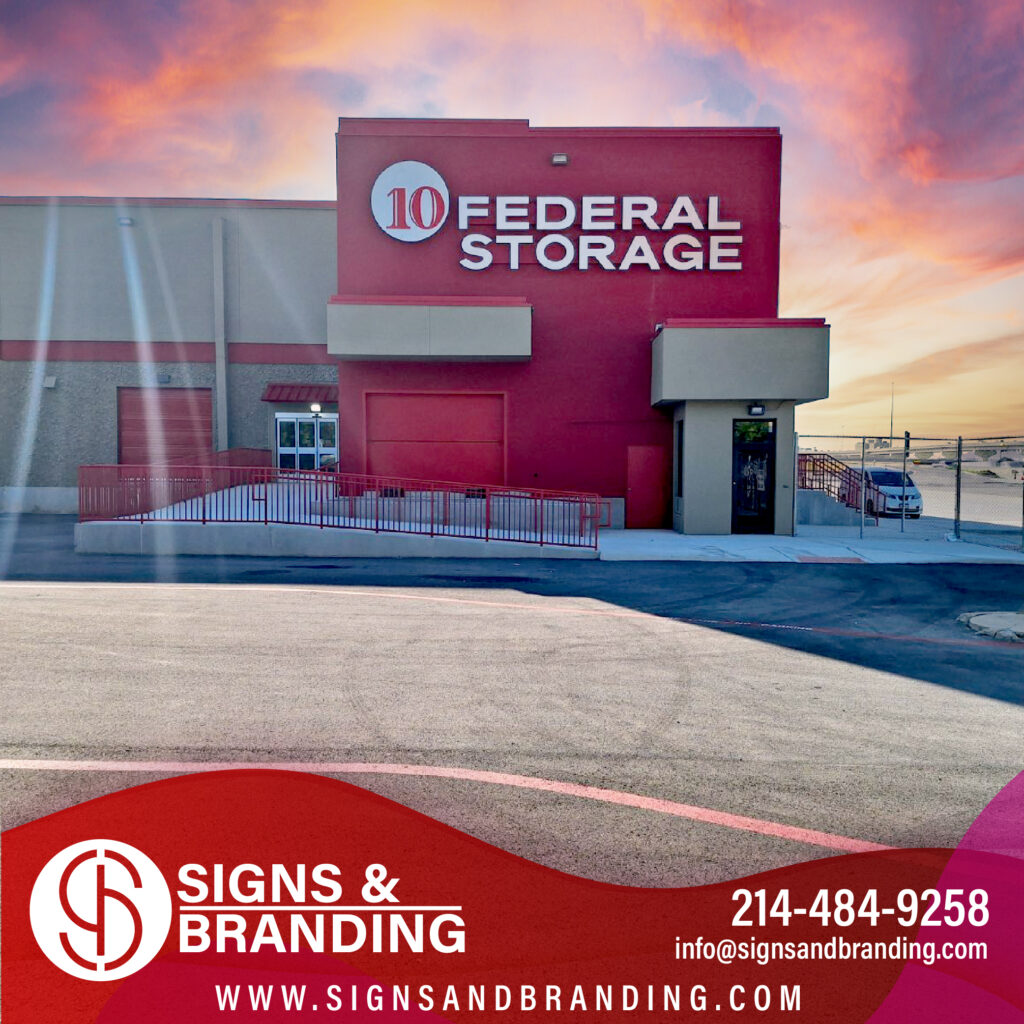
Your sign is part of your brand identity. A well-designed weather-resistant sign doesn’t just last longer, it actually enhances your brand perception.
Proper design accounts for your sign’s viewing angles and distances. Colors chosen for outdoor conditions look different than they do on a computer screen. Gloss finishes photograph better but can create glare in certain lighting conditions. Matte finishes reduce glare but may show dust more readily. We evaluate your specific location and orientation to recommend finishes and colors that look best in your actual environment, not in a design studio.
Typography matters for legibility and durability. Intricate fonts with thin strokes can look pixelated or filled-in at distance. Simple, bold fonts remain legible and are easier to illuminate with LEDs if you choose that route.
Design also addresses your sign’s ability to weather actual conditions. Horizontal surfaces collect water and ice. Vertical faces shed precipitation better. Angled or curved designs shed water efficiently. These aren’t just aesthetic choices, they’re functional decisions that extend your sign’s operational life.
Getting Your Permits and Compliance Right
Many business owners want to skip permitting to save time and cost. This typically backfires. Dallas has specific sign codes covering size, setbacks, height, electrical safety, and structural requirements. Installing without permits can result in citations, required removal, fines, or liability issues.
We handle permit navigation as part of our service. We prepare the documentation, submit applications, and coordinate with the city. This takes 2-3 weeks typically, which we account for in our turnaround timeline. Yes, permitting adds time, but it eliminates risk and ensures your sign is legally compliant.
Compliance also addresses electrical codes for LED installations. Signs with improper electrical work don’t just fail, they create fire hazards. Our licensed installations meet all electrical code requirements with proper grounding, circuit protection, and weatherproof connections.
Next Steps: If you’re planning outdoor signage, contact us for a site assessment and design consultation. We’ll evaluate your location’s specific conditions, recommend materials and engineering appropriate for your investment, and provide a clear timeline including permitting. Your weather-resistant outdoor sign should be built to perform reliably for years, and that starts with proper planning and execution.
Contact us today for a FREE Estimate
Frequently Asked Questions (FAQ)
What materials do we use to make outdoor signs withstand Dallas weather?
We manufacture our outdoor signage using marine-grade aluminum frames, UV-resistant vinyl, and powder-coated finishes that are proven to resist extreme heat, hail, and intense sun exposure. Our material selection process accounts for Dallas’s temperature swings and occasional severe weather, and we test every component to ensure it won’t fade, crack, or degrade over multiple seasons.
How does our 5-year warranty protect your sign investment?
Our warranty covers material defects and weather-related failure under normal conditions, which means you’re protected if your sign experiences damage from sun exposure, rain infiltration, or structural issues within five years of installation. We stand behind our craftsmanship because we control every step of the process in-house, from design through fabrication to final installation.
Can you handle the permit process for my outdoor signage?
Yes, we navigate all city permit requirements on your behalf, which saves you time and prevents costly compliance mistakes. Our team knows Dallas zoning regulations and sign code requirements, so we’ll handle applications and inspections while you focus on running your business.
Contact us today for a FREE Estimate