

Table of Contents
- 1. Understanding Weatherproof Materials and Construction Standards
- 2. Five-Year Quality Warranties: What We Guarantee
- 3. UV-Resistant Coatings for Outdoor Longevity
- 4. Corrosion Protection for Dallas Climate Challenges
- 5. Licensed Installation Prevents Warranty Voidance
- 6. In-House Manufacturing Ensures Quality Control
- 7. Permit Navigation and Code Compliance Assurance
- Frequently Asked Questions (FAQ)
1. Understanding Weatherproof Materials and Construction Standards
Dallas businesses face a brutal reality: your outdoor signage endures intense UV exposure, sudden storms, and temperature swings that degrade materials fast. A sign warranty matters because it protects your investment when weather inevitably takes a toll. But not all warranties are created equal, and many businesses discover too late that their coverage leaves gaps when they need it most.
We’ve spent years manufacturing and installing commercial signs across the Dallas-Fort Worth area, and we’ve learned exactly what separates a meaningful warranty from marketing language. This guide walks you through the seven critical factors that define real weatherproof sign protection, so you can choose signage built to last and backed by a guarantee you can actually rely on.
Weatherproof doesn’t mean anything goes. Materials must meet specific durability standards to withstand Dallas conditions. The most reliable outdoor signage uses aluminum composites, powder-coated steel, or high-grade vinyl with marine-grade hardware. These materials resist corrosion, don’t delaminate under heat cycling, and maintain color integrity after years of sun exposure.
Construction standards matter as much as raw materials. A sign fabricated with sealed seams, stainless steel fasteners, and reinforced backing will outlast one assembled with shortcuts. When we build signs in-house, we control every detail: how deep we drill holes to prevent water intrusion, whether we use gaskets to keep moisture out, and if we route electrical connections so water can’t pool around them.
Many mass-produced signs cut corners on construction to hit price targets. They use regular steel fasteners that rust, skip sealing step, or assemble components loosely so water wicks between layers. These signs may look fine at delivery, but fail within 18 months when corrosion reaches the core.
What to do next: Ask your sign provider to specify the exact materials and fastener grades they use. Request photos of how they seal seams and route electrical. If they give vague answers, that’s a red flag.
2. Five-Year Quality Warranties: What We Guarantee
Our 5-year quality warranty covers material defects, workmanship failures, and weather-related damage to painted and coated surfaces. This means if powder coating cracks, vinyl fades beyond industry standards, or structural welds fail due to manufacturing error, we repair or replace at no cost.
What’s often missing from warranties elsewhere: coverage for realistic failure modes. A cheap warranty might cover only manufacturer defects but exclude UV fading (the most common real-world complaint) or corrosion on fasteners (which degrades visible edges). We cover both because those are actual problems Dallas business owners face.
Our warranty also requires proper installation and maintenance. We use licensed professionals to install every sign, ensuring fasteners are torqued correctly, drainage holes remain clear, and electrical connections meet code. This protects both our liability and your signage longevity. A sign installed incorrectly will fail, and we don’t want to warranty poor installation work.
The warranty term matters too. Five years reflects realistic commercial sign lifespan with proper care. Some competitors offer 10-year warranties that exclude nearly everything, or 2-year warranties that expire before real stress testing occurs. Our 5-year window aligns with when signs actually start showing wear in Dallas climate.

What to do next: Request a copy of the full warranty in writing. Look for what’s specifically excluded, who pays for removal and reinstallation, and whether coverage includes LED components if applicable.
3. UV-Resistant Coatings for Outdoor Longevity
UV degradation is the leading cause of color fading and material brittleness in outdoor signage. Dallas gets roughly 220 sunny days per year, subjecting signs to relentless radiation that breaks chemical bonds in paint and vinyl.
We use premium UV-resistant coatings, often marine-grade polyurethane or polyester-based systems, that add a UV-blocking layer to painted surfaces. This isn’t spray-on afterthought; it’s applied during fabrication as part of the base system. The coating absorbs UV photons before they reach the underlying material, dramatically slowing degradation.
Vinyl wraps we use for digitally printed graphics include UV inhibitors embedded in the material itself. This differs from budget vinyl that yellows noticeably after two seasons. With quality vinyl, color shift remains imperceptible to the eye for 5-7 years in Dallas sun, which covers most commercial sign lifecycles.
Testing proves the difference. Accelerated UV fade tests expose samples to intense UV lamps for the equivalent of years of outdoor exposure. Premium coatings show less than 5% color shift after 3,000 hours (roughly 5 years of Dallas sun). Budget systems show 15-20% noticeable yellowing in the same timeframe.
What to do next: Ask whether coatings are incorporated during manufacturing or applied as a finish. Specify that any vinyl used must carry UV inhibitor ratings, and request test data showing fade performance.
4. Corrosion Protection for Dallas Climate Challenges
Dallas summers are hot and humid, and rare winter ice storms introduce salt spray if roads are treated. This combination accelerates corrosion on any exposed metal. A sign’s frame might be aluminum (naturally corrosion-resistant), but fasteners, mounting hardware, and internal support structures often use steel that rusts without proper protection.
Corrosion protection works in layers. Stainless steel fasteners don’t rust, period. They cost more upfront but eliminate the single biggest cause of sign failure we see. Powder coating on steel parts provides a barrier, but only if the surface is properly prepared (grit-blasted to bare metal, not just wiped clean). We prime all steel components and apply multiple coats of powder to create a finish that lasts.
Galvanizing is another layer: submerging steel in molten zinc creates a sacrificial barrier that corrodes first, protecting the underlying metal. We use hot-dip galvanizing for outdoor mounting hardware and structural supports that can’t be easily accessed for maintenance.
Even with these protections, the biggest threat comes from damaged coatings. A scratch through powder coating exposes bare steel, which then rusts. This is why we design drainage systems and avoid sharp edges where scratches are likely. For signs near salt-spray zones (less common in Dallas but possible), we spec marine-grade stainless steel exclusively.
What to do next: Confirm that all fasteners are stainless steel and that any steel substrates are either galvanized or powder-coated after grit-blasting. Ask how the design prevents trapped moisture in recessed areas.
5. Licensed Installation Prevents Warranty Voidance
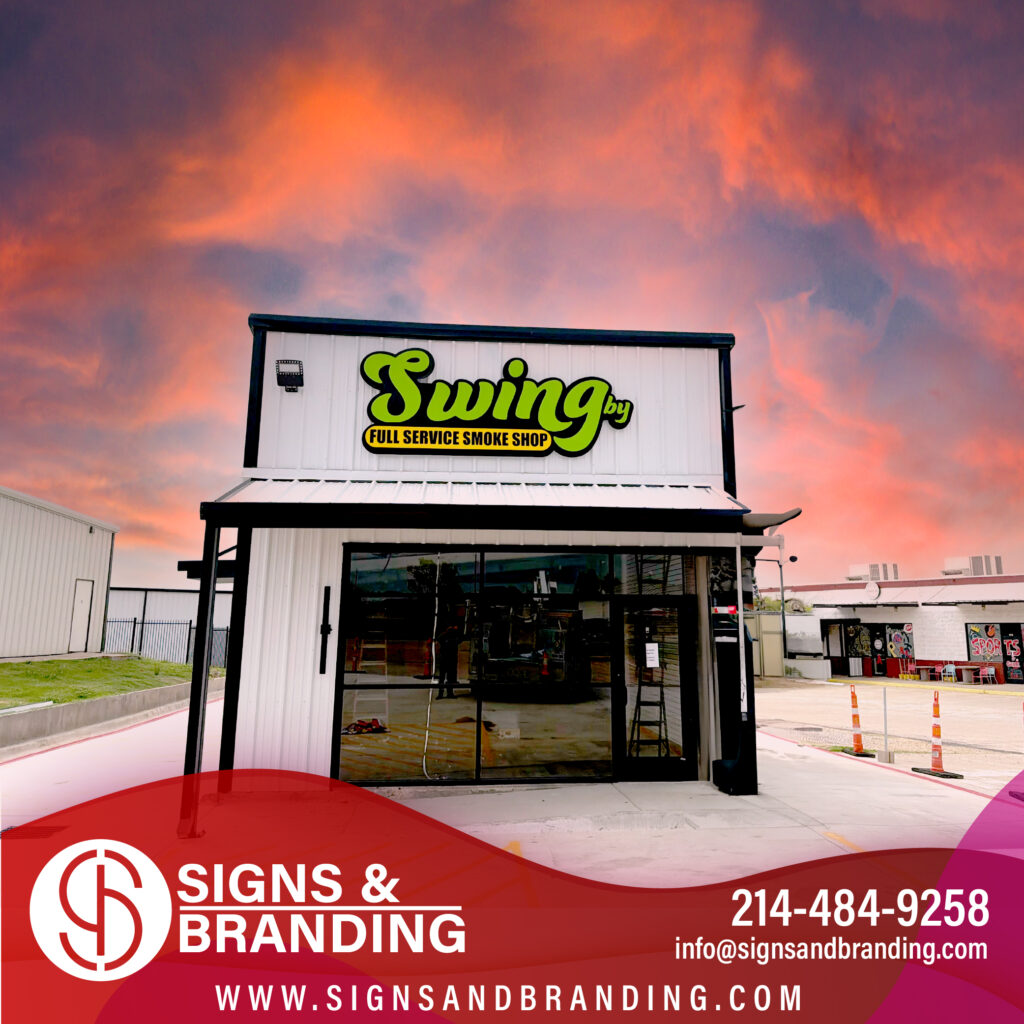
Your warranty is only valid if installation is done correctly. Many providers outsource installation to contractors with minimal training, and mistakes void coverage. Signs installed with over-torqued fasteners can crack mounting points. Improper grounding on electrical signs creates shock hazards and equipment failure. Horizontal mounting bolts installed vertically allow water to collect instead of drain.
We handle all installation in-house with licensed professionals who understand local building codes and drainage principles. Every crew member knows our manufacturing specs and how to preserve weatherproofing details we built in. They use torque wrenches on fasteners, install proper gaskets under every bolt head, and test electrical systems before handing off to you.
This approach costs more than hiring the cheapest contractor, but it directly protects your investment. When warranty issues arise, we have full documentation of how and when installation occurred. We know whether a failure stems from material defects or installation shortcuts. Most importantly, you never discover mid-warranty that an installation mistake voided your coverage.
Many warranty disputes come down to this: “We installed it, something failed, they won’t cover it because they claim installation was improper.” Licensed, documented installation eliminates this risk. We stand behind our work because we controlled every phase.
What to do next: Verify that your sign provider uses W-2 employees or licensed subcontractors for installation, not day-labor crews. Request that installation be documented with photos and signed off by a responsible supervisor.
6. In-House Manufacturing Ensures Quality Control
Manufacturing signs in-house gives us complete quality oversight from design through shipment. We don’t outsource fabrication to overseas vendors and hope for compliance. Our team builds every sign, inspects every weld and seam, and tests electrical components before they leave the facility.
In-house manufacturing means we catch quality issues before they reach you. A misaligned vinyl wrap gets reprinted; a weak solder joint gets redone; a paint run gets sanded and recoated. When signs arrive at your location, they’ve already passed multiple quality gates.
This matters for warranty performance because we document the entire manufacturing process. If a sign fails and we need to investigate whether it’s material defect or installation issue, we have production photos, test records, and crew notes. We can trace exactly how it was made and identify the root cause. Third-party manufacturers often can’t provide this detail, which slows warranty claims or results in denials.
Speed is another advantage. Our 2-3 week turnaround exists because we control the entire pipeline. We design, fabricate, and install without waiting for external vendors or logistics. Faster delivery also reduces exposure to warehouse damage or outdoor storage degradation before installation.
What to do next: Ask to see the manufacturing facility or request time-lapse videos of sign fabrication. Confirm that your sign provider manufactures locally or at a company-controlled facility, not through dropship arrangements.
7. Permit Navigation and Code Compliance Assurance
Building permits exist to ensure signs meet structural, electrical, and safety codes. A sign that passes permits is engineered to handle Dallas wind loads, electrical systems are safe, and installation meets local requirements. Many businesses try to skip permits to save money and time, but non-permitted signs create liability and can be ordered removed by the city.
We handle permits and installation as part of our service. Our in-house team knows Dallas city codes, submission requirements, and inspection timing. We design signs to meet or exceed code before submission, which accelerates approval. We’ve done this hundreds of times, so we avoid the mistakes that delay permits by weeks.
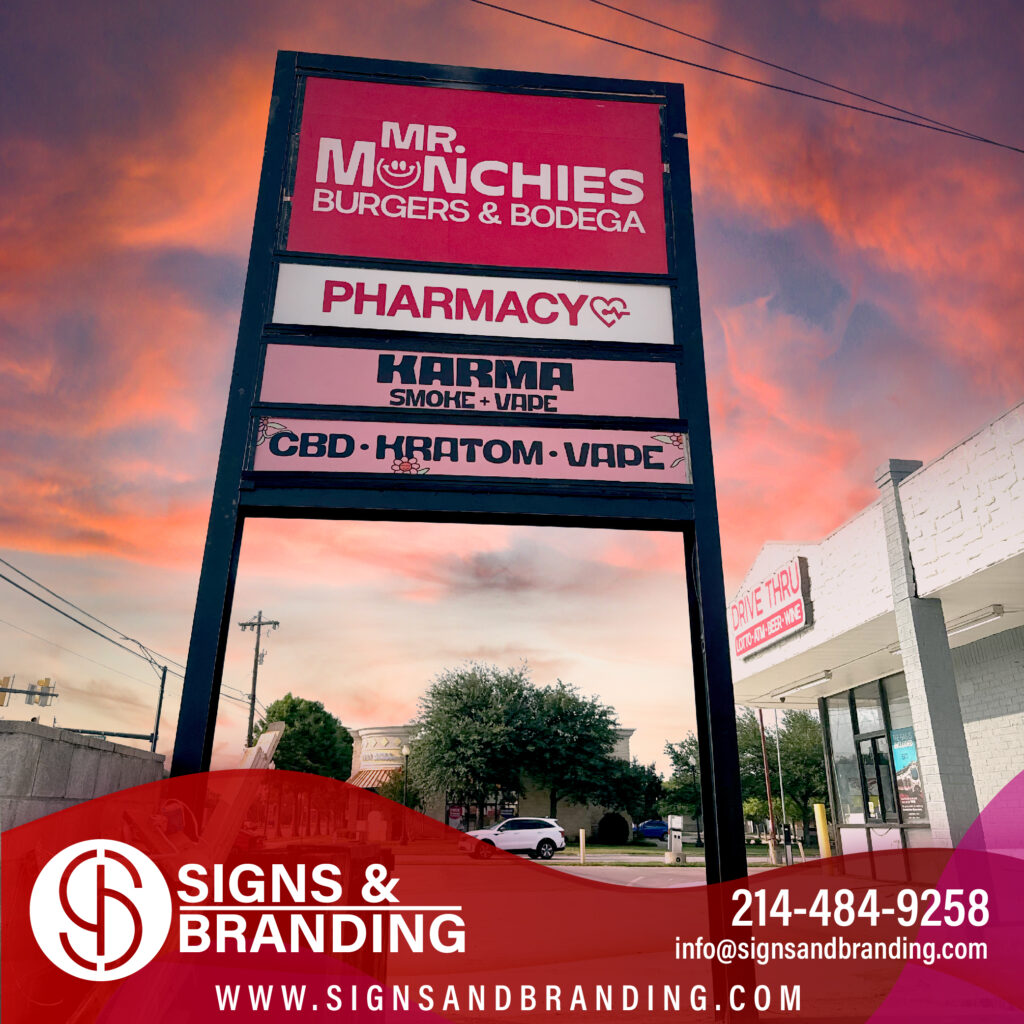
Code-compliant signs also perform better in real conditions. Engineers size structural members to handle maximum wind speeds. Electrical systems are inspected to prevent fires or shock hazards. Drainage is engineered so water doesn’t pool. When signs are built to code, they’re built to survive.
Non-compliant signs or installations can void manufacturer warranties because they didn’t meet the conditions under which the manufacturer tested. A sign engineered for 90 mph winds won’t perform the same if installed incorrectly or facing a direction the engineer didn’t anticipate. Permitted installation documents exactly how and where the sign should be mounted.
What to do next: Confirm that permits are included in the project scope and budget. Ask whether your provider handles submission and inspection coordination, or if you’re responsible for managing that process separately.
A weatherproof sign warranty is only as good as the materials, manufacturing, installation, and documentation behind it. We provide all four because we own the entire process. Our 5-year quality warranty covers the failures Dallas businesses actually encounter: UV fading, corrosion, and coating degradation. Our in-house manufacturing ensures quality control and detailed records. Our licensed installation preserves every weatherproofing detail we built in. And our permit expertise ensures your sign meets code from day one.
When you choose us, you’re not betting on a third party to honor a warranty from afar. You’re working with a local team that’s invested in your sign’s long-term performance and accountable every day in the Dallas market. That’s a warranty worth having.
Contact us today for a FREE Estimate
Frequently Asked Questions (FAQ)
What does our five-year quality warranty cover on outdoor signs?
Our warranty protects against manufacturing defects, material failures, and weathering issues that compromise the sign’s structural integrity or appearance. We cover UV fading, corrosion, peeling coatings, and faulty welds or seams across the entire five-year period. The warranty does not apply to damage from extreme weather events like hurricanes or vandalism, nor does it cover normal wear from lack of maintenance.
Why does using our licensed installation team protect your warranty?
We require professional installation by our licensed technicians to ensure the warranty remains valid because improper installation can compromise weather-resistant seals and structural stability. Our installers follow Dallas building codes and manufacturer specifications that directly impact how well your sign withstands local climate conditions. Any installation performed outside our team may void coverage since we cannot verify proper mounting and weatherproofing techniques.
How does our in-house manufacturing improve sign durability and warranty protection?
We control every step of production, from material selection to final quality checks, which allows us to catch defects before signs leave our facility. Our team sources weather-resistant materials specifically suited to Dallas humidity and temperature swings, then applies UV-resistant coatings and corrosion protection during fabrication. This direct oversight means we stand behind our work with confidence because we know exactly how each sign was built.