

Table of Contents
- Why Sign Permits Matter for Your Dallas Business
- Understanding Dallas Sign Code Requirements
- Common Permit Types for Different Sign Applications
- The Permit Application Timeline and What to Expect
- How We Handle Permit Navigation for Your Project
- Required Documentation and Compliance Standards
- How to Avoid Costly Permit Rejections and Delays
- Indoor vs Outdoor Signage Permit Differences in Dallas
- Working with City Departments and Inspectors
- Our Full-Service Approach to Streamlined Approvals
- Next Steps: Getting Your Project Started Today
- Frequently Asked Questions (FAQ)
Why Sign Permits Matter for Your Dallas Business
Getting a sign approved in Dallas doesn’t have to feel like navigating a bureaucratic maze. The City of Dallas has clear rules about commercial signage, and when you understand them upfront, your project moves forward without unnecessary delays or costly rejections.
We work with business owners and contractors daily who want their signs installed quickly without compromising quality or compliance. The difference between a smooth approval process and a frustrating one usually comes down to preparation and knowing what the city actually requires. This guide walks you through exactly what Dallas requires, common pitfalls, and how we help streamline the entire process.
A sign permit isn’t just red tape. It protects your investment and keeps your business compliant with local code. Without proper permitting, you risk fines, forced removal of your signage, and legal liability.
Dallas enforces its sign ordinances consistently across all zoning districts. The city wants to ensure signs are structurally sound, don’t create visual clutter, and meet safety standards. Your customers also expect to see compliant, professional signage when they visit your storefront. A permitted sign gives them confidence in your business.
Beyond legality, permits require inspections that verify your sign is installed correctly and safely. This means your investment is protected long-term. We include permit navigation and final inspection coordination in our full-service approach because it matters to your bottom line.
Actionable takeaway: Before ordering any signage, confirm whether your space requires a permit. Most commercial storefronts do. Check with your property manager or the Dallas Building Inspection Department if you’re unsure.
Understanding Dallas Sign Code Requirements
Dallas sign code covers size restrictions, setback requirements, materials, lighting rules, and installation methods. The specific rules depend on your zoning district and sign type.
Height and area limits vary significantly. A monument sign on a lot line in a commercial district has different allowances than a wall sign on a retail storefront. The code specifies maximum heights, maximum square footage, and distance requirements from property lines and traffic signals.
Lighting regulations are equally important. Illuminated signs must not create light glare affecting neighboring properties or roadways. LED lighting, which we supply at wholesale pricing, typically meets these requirements when installed properly. Digital or animated signs face stricter rules and often require additional approval.
Material requirements emphasize durability. Dallas summers are hot and humid, and winter weather still brings occasional freezes. Weather-resistant materials matter. We use materials rated for Dallas conditions and backed by a 5-year quality warranty.
For detailed local permit regulations, review the local permit regulations specific to your district or consult with the city directly.
Actionable takeaway: Pull your zoning district from the Dallas GIS mapping system, then cross-reference your sign concept against the allowances for that zone. This single step prevents most rejections.
Common Permit Types for Different Sign Applications
Dallas issues different permits based on sign type and location. Understanding which applies to you prevents application errors.
Wall Signs are the most common. These mount directly to a building facade. They require a standard sign permit and an electrical permit if illuminated. The city checks setback distances and ensures the sign doesn’t exceed area limits for your zoning.
Monument or Ground Signs sit on the property itself. These need structural engineering review because they must withstand wind loads. Monument signs also require setback compliance from property lines and typically need electrical permits for lighting.
Temporary Signs (banners, A-frames) have a separate, faster approval track. These often don’t require a full permit if they meet size restrictions and display duration limits. Temporary signage typically expires after 30 days.
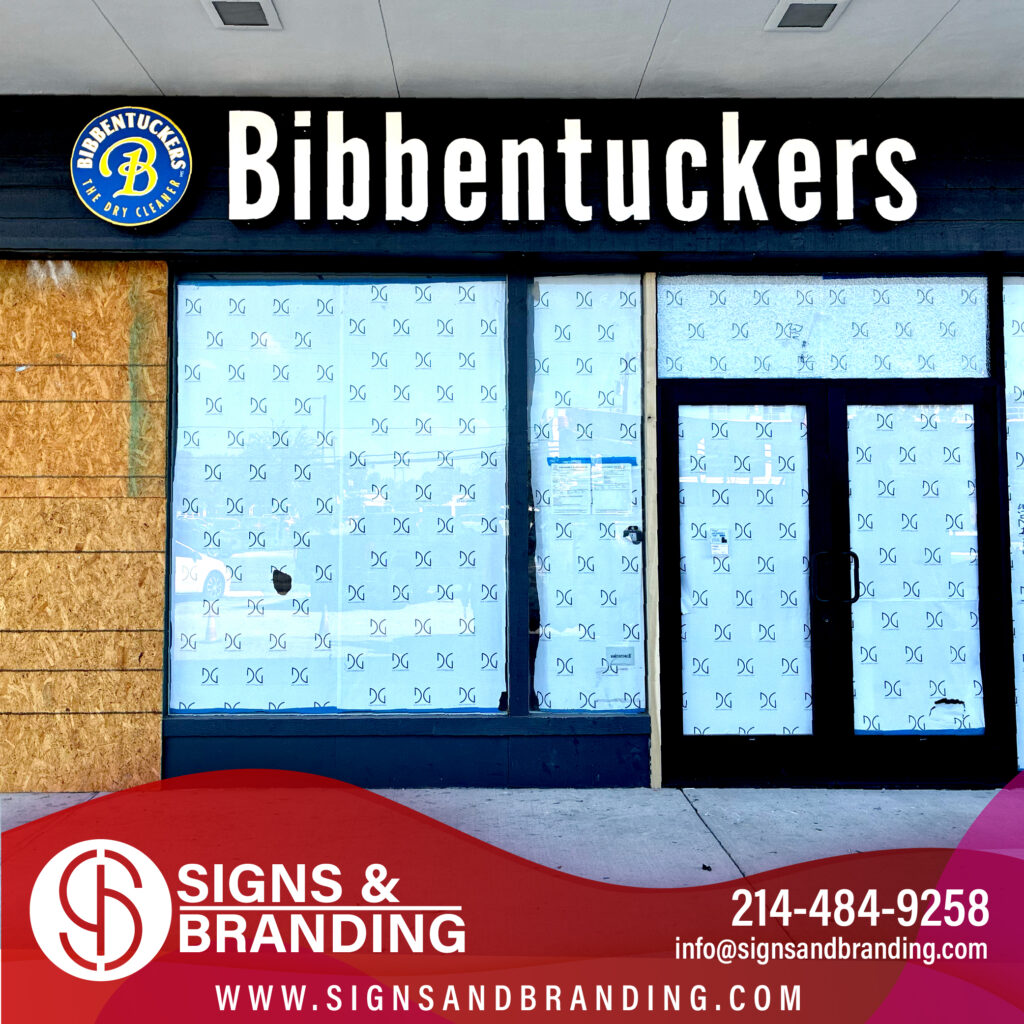
Interior Signage usually avoids city permitting but may need landlord approval and compliance with building code fire ratings. Illuminated interior signs still require electrical permits in many cases.
LED Canopy or Awning Lighting counts as signage when it illuminates your business name or address. These installations trigger electrical permitting and light standard reviews.
Actionable takeaway: Identify your sign category now. This determines your timeline and documentation needs. We can clarify which permit type your project needs based on a brief site review.
The Permit Application Timeline and What to Expect
Dallas typically processes sign permits within 5-10 business days if your application is complete. Incomplete applications get rejected and resubmitted, which adds weeks.
The process begins when you submit your application, site plan, design drawings, and structural calculations (if required) to the Building Inspection Department. A city reviewer examines whether your design meets code. If everything complies, you receive approval and a permit number. If there are issues, the city issues a deficiency notice asking for corrections or clarification.
After approval, you schedule a final inspection once your sign is installed. The inspector verifies the installation matches the permitted design and meets safety standards. Passing inspection completes the permitting process.
Most projects follow our timeline by sign type, which includes permitting alongside design and fabrication. Our typical turnaround is 2-3 weeks from approval to installed sign, though this depends on permit complexity.
Actionable takeaway: Factor in at least 2-3 weeks for permitting plus installation. If your business opening is time-sensitive, start the permit process immediately. Rushing applications increases rejection risk.
How We Handle Permit Navigation for Your Project
We manage the entire permit process for you. Our in-house design and fabrication team creates drawings that meet code requirements from the start, which eliminates back-and-forth with the city.
Here’s our workflow:
- We review your space and requirements with you in detail
- Our designers create permit-ready drawings with exact dimensions and specifications
- We submit applications on your behalf, providing all required documentation
- We track the application status and respond to any city requests
- Once approved, we schedule installation and coordinate the final inspection
- We handle post-inspection sign-off
Because we design and fabricate in-house, we control quality and can make adjustments quickly if needed. We’re not juggling separate vendors or waiting on third parties. This speed matters when the city requests clarifications or minor modifications.
Our licensed and insured installers handle the final inspection coordination, so you don’t need to be present unless you choose to be. We keep you updated at every step.
Actionable takeaway: Get in touch with a specific project description (sign type, location, budget). We’ll provide a timeline estimate and clarify what permitting will involve for your situation.
Required Documentation and Compliance Standards
The city requires consistent documentation. Missing paperwork causes delays.
Standard documents include:
- Completed sign permit application form
- Site plan showing property lines, sign location, and setback distances
- Design drawings with exact dimensions, materials, and colors
- Electrical specifications (if illuminated)
- Structural engineering calculations (for monument signs, roof signs, or signs larger than 200 square feet)
- Proof of property ownership or written landlord authorization
- Electrical contractor information (if applicable)
Each document must meet specific formatting and content standards. Site plans need legible scale and clear measurements. Design drawings must show elevation views and materials specifications. Structural calculations require a Professional Engineer stamp in Texas.

This is where many DIY applicants stumble. The city is strict about document quality and completeness. A blurry photo of a hand-drawn sketch won’t cut it.
We prepare all documentation to city standards. This ensures first-time approval and eliminates rework.
Actionable takeaway: If you’re applying independently, download the Dallas Building Inspection Department’s sign permit checklist before you start. Review it against your documentation before submitting.
How to Avoid Costly Permit Rejections and Delays
Most rejections stem from incomplete applications, undersized drawings, or designs that don’t meet code.
Common rejection reasons:
- Insufficient setback from property lines or easements
- Sign area exceeding zoning limits
- Missing or incomplete structural calculations
- Poor quality or missing site plans
- Electrical specifications that don’t match the design
- Lack of landlord authorization for tenant-occupied spaces
Prevention is straightforward. Before submitting, verify your sign dimensions against your zoning code. Double-check your site plan measurements. Confirm your electrical design is realistic. Get written landlord approval if you’re leasing.
We’ve navigated these rules for years. Our submission success rate is high because we build compliance into the design process from the beginning, not as an afterthought.
Rejection costs time and money. A rejected application means another 5-10 day wait after you resubmit. During that time, your sign fabrication is on hold. One rejection can delay your opening by weeks.
Actionable takeaway: Before final design approval, ask your permit representative (or our team) if the design meets code. Spending 30 minutes confirming compliance upfront saves you weeks of rework.
Indoor vs Outdoor Signage Permit Differences in Dallas
Indoor signs face fewer permit requirements than outdoor signs. Indoor signage is typically landlord and building-code governed rather than city-zoned.
Outdoor signs, by contrast, trigger city zoning review because they’re visible in public space. Size, height, lighting, and placement all get scrutinized. Outdoor signage also faces more weather stress, so material durability becomes a permitting issue.
Indoor LED walls or illuminated signs may need electrical permits and fire-code compliance for material ratings, but they don’t need city design approval. This makes indoor projects faster and simpler.
Outdoor signage requires full permitting with design review and final inspection. Our timeline extends for outdoor projects because of these additional steps, but we handle the complexity so you don’t have to.
If you’re deciding between indoor and outdoor signage, understand that outdoor carries more permitting overhead but reaches more customers. Indoor is simpler administratively but serves existing foot traffic only.
Actionable takeaway: If speed is critical, consider a phased approach: indoor branding first, outdoor signage later once permitting isn’t urgent.
Working with City Departments and Inspectors
Dallas Building Inspection Department staff are professionals who want your project to succeed. They just need clear information and compliant designs.
When communicating with inspectors or reviewers, be direct and factual. Provide the documentation they request promptly. If they ask for clarification, respond quickly with exactly what they need. Friendly, organized communication speeds things up.
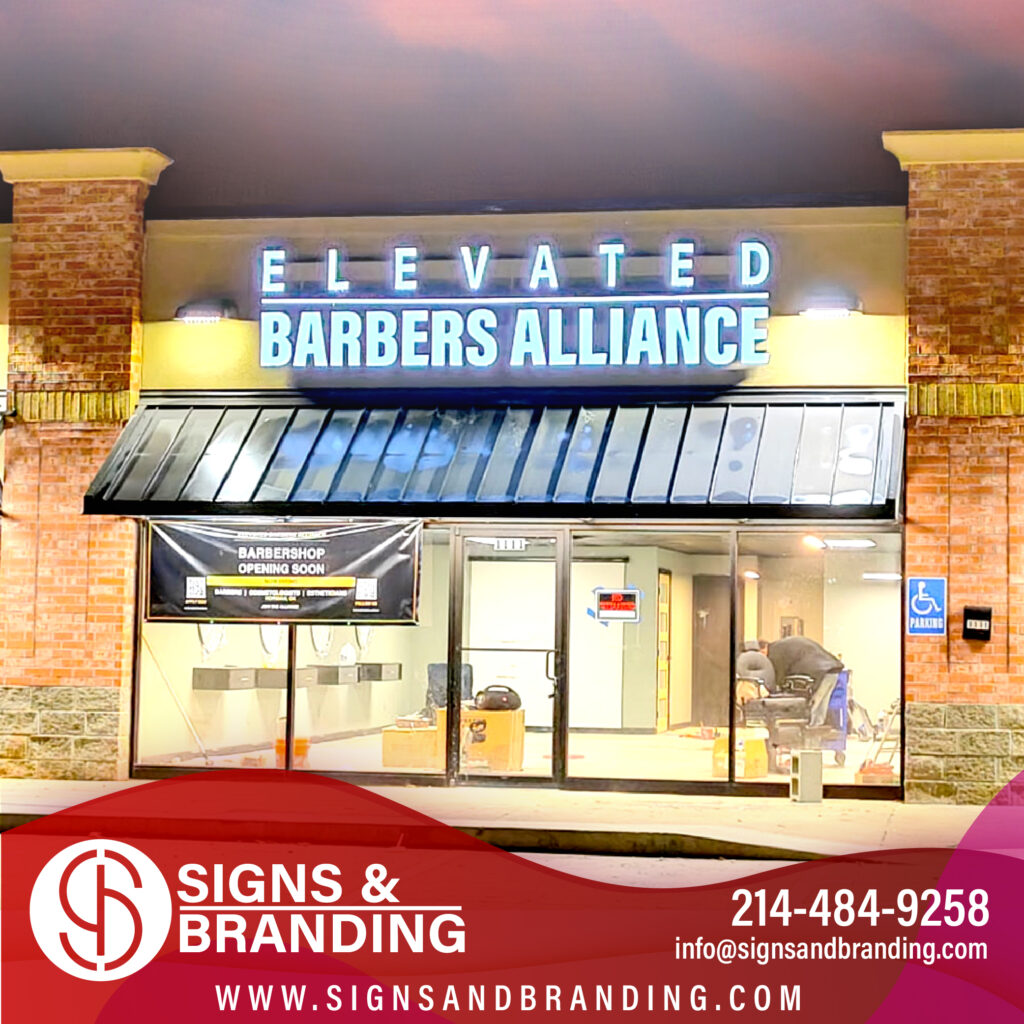
The final inspection is straightforward. The inspector verifies the sign is installed to the permitted specifications, structurally sound, and electrically correct (if applicable). Most inspections pass on the first attempt if the installation matches the design.
We’ve built relationships with Dallas inspectors over years of projects. We know their preferences and standards. We respond to inspection requests immediately and rarely need corrections. This reputation makes permit coordination smoother for our clients.
Actionable takeaway: Assign one point person on your team to handle permit communication. Consistency and clear communication prevent misunderstandings.
Our Full-Service Approach to Streamlined Approvals
We own the entire process. Design, fabrication, permitting, installation, and inspection coordination all run through us.
This eliminates coordination gaps. If a design question comes up during permitting, our designers answer it immediately. If an installation detail needs adjustment, our fabricators make it without delays. If the inspector has a concern on installation day, our crews address it right then.
Our 2-3 week typical turnaround accounts for permitting time because we’ve built workflows that move things forward. We don’t wait on external vendors or contractors. Everything happens in-house under one roof.
We also back our work with a 5-year quality warranty, which includes permit compliance. If something goes wrong with your sign after installation, we fix it.
Actionable takeaway: Request a project timeline from us based on your sign type and complexity. You’ll see how permitting fits into the bigger picture and when your sign is actually ready.
Next Steps: Getting Your Project Started Today
Start by scheduling a consultation. We’ll review your space, discuss your branding goals, and outline the permitting process specific to your project.
Bring photos of your location, measurements if you have them, and clarity on what you want your sign to communicate. We’ll handle the rest.
Contact our team at Signs and Branding to discuss your project. We’ll provide a timeline, cost estimate, and clear explanation of the permit requirements you’ll face. Most consultations take 20-30 minutes and give you complete confidence in your next steps.
The difference between a frustrating permitting experience and a smooth one often comes down to partnering with someone who knows the system. We do this daily, and we’re ready to guide your project through approval and installation.
Contact us today for a FREE Estimate
Frequently Asked Questions (FAQ)
How do we handle the sign permit process for your project?
We manage the entire permit navigation process on your behalf, from initial code compliance review through final city approval. Our team submits all required documentation, communicates directly with Dallas city departments, and coordinates inspections so you can focus on running your business. We’ve built relationships with local inspectors and understand exactly what each district requires, which helps us avoid delays and rejections.
What documents do we need from you to move forward with permitting?
We typically need your business information, property details, and a clear description of your signage project. If you’re leasing, we’ll also request authorization from your property owner or manager. We handle the technical drawings and compliance documentation ourselves since we have in-house design and engineering expertise.
How long does the permit approval process take in Dallas?
Most permits take 2-3 weeks from submission to approval, though this varies by project complexity and current city workload. We provide you with a realistic timeline upfront and keep you updated at each stage. Once approved, we schedule installation promptly so you can get your new signage up and working for your business.