

Table of Contents
- 1. Business License and Trade Name Registration Requirements
- 2. Electrical Permits for Illuminated Channel Letters
- 3. Structural Engineering Certification and Load Calculations
- 4. Setback and Zoning Compliance Documentation
- 5. Neighborhood or District Specific Sign Ordinances
- 6. Roof-Mounted Sign Installation Permits and Safety Inspections
- 7. Final Inspection and Certificate of Occupancy
- 8. Why Professional Permit Navigation Saves Time and Money
- 9. Common Documentation Mistakes That Delay Channel Letter Projects
- 10. Our Complete Permit Handling and Installation Services
- Frequently Asked Questions (FAQ)
1. Business License and Trade Name Registration Requirements
Channel letter signs turn a business storefront into a professional landmark. But before your custom lettering goes up, McKinney’s permitting process stands between your vision and installation day. We’ve guided dozens of Dallas-area businesses through this maze, and the difference between a smooth project and a delayed one comes down to understanding which permits you actually need.
McKinney’s sign permitting requirements are straightforward once you know the specifics. Channel letters (those individually fabricated, illuminated letters mounted on your storefront or roofline) require multiple approvals because they involve electrical work, structural concerns, and zoning considerations. Skip even one document, and your project stalls.
Here’s what every McKinney business owner should know before moving forward.
Your project starts with paperwork that has nothing to do with signs yet. McKinney requires that your business maintain an active business license and proper trade name registration before any permit application can move forward. The city won’t issue a sign permit to a business that isn’t officially registered.
If you operate under a DBA (doing business as) name different from your legal business name, McKinney needs documentation of that trade name registration. This typically comes from your Texas Secretary of State filing or McKinney’s own business registration system. When you submit your sign permit application, you’ll include proof of current business licensing.
The timeline here is critical: if your business registration has lapsed or is pending, pause your sign project. Resolve your business status first, then move to permitting. This single step prevents weeks of back-and-forth with the city.
Action: Verify your business license status through McKinney’s business licensing portal before contacting your sign company about channel letters. Have your license number ready when you start the permit conversation.
2. Electrical Permits for Illuminated Channel Letters
Channel letters are almost always illuminated, and that means electrical work. McKinney requires a separate electrical permit for any new wiring, connections, or power supply serving your sign. This isn’t optional if your letters use LED, neon, or any internal lighting.
The electrical permit process involves submitting a detailed schematic showing the power source, voltage requirements, wire gauge, and how the sign connects to your building’s electrical system. If you’re tapping into existing building power, you’ll need documentation of where that connection happens. If you’re installing a new circuit, the electrical contractor must show load calculations and breaker specifications.
We handle all electrical documentation during the design phase. Our in-house team calculates exact power requirements based on the letter size, lighting type, and installation location. This saves you from guessing what an electrician might need and then discovering mid-project that calculations are missing.
An electrical permit inspection typically happens after wiring is installed but before the sign goes live. The inspector verifies that everything matches your submitted plans.
Action: Don’t assume a general contractor can pull electrical permits for signage. Work with a sign company that has electrical expertise baked in. This prevents voltage mismatches and code violations that cost time and money to fix.
3. Structural Engineering Certification and Load Calculations
Roof-mounted or wall-mounted channel letters need proof that your building can handle the weight and wind load. McKinney requires a structural engineering report for most commercial sign installations, particularly for roofline placements.
An engineer calculates the total weight of your letters, the wind load force based on the letter size and McKinney’s wind pressure zones, and whether your roof or wall can safely bear that load. They also specify the exact mounting method: whether you need reinforcement, what bolts or anchors are required, and how deep they should penetrate.
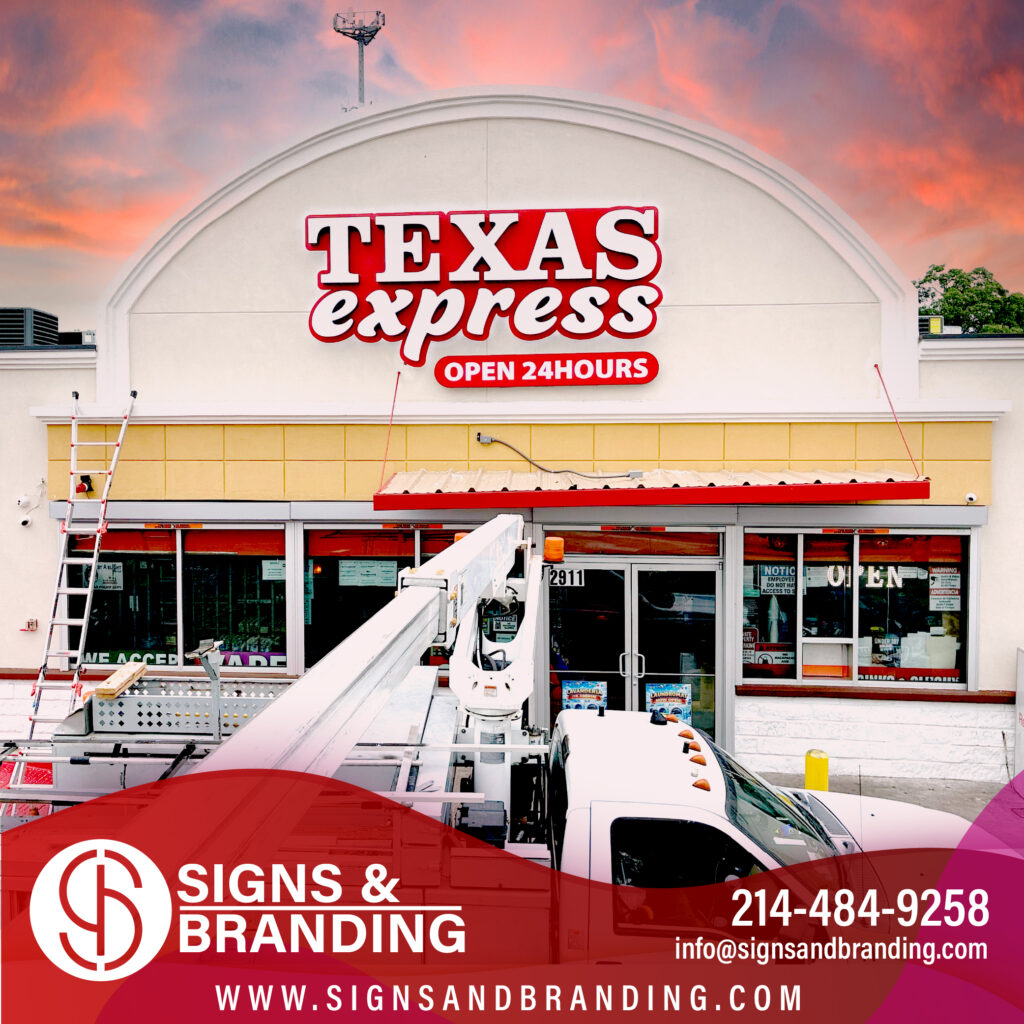
This document isn’t something you improvise. If your building’s roof structure is older or if you’re mounting a large sign, the engineer might recommend reinforcement that adds cost. Better to know that during planning than after fabrication is complete.
We work with structural engineers who understand McKinney’s specific requirements. They know which buildings typically need reinforcement and which don’t, so you get realistic timelines and cost estimates upfront.
Action: Have your building’s structural information ready (age, construction type, roof material). Share it with your sign company so they can request an engineering assessment before quoting the project.
4. Setback and Zoning Compliance Documentation
McKinney’s zoning code restricts sign placement based on your property’s location and zoning classification. A sign allowed in a commercial district might violate setback requirements in a mixed-use zone. Setback rules define how far your sign must be from property lines, streets, or neighboring properties.
You’ll need to document your exact property boundaries and confirm that your proposed sign placement complies with the city’s setback ordinances. This usually means a site survey showing where the sign will be mounted and measurements proving it meets minimum distance requirements from property edges and public right-of-way.
If your building sits near a residential zone, setback requirements become stricter. The city wants to ensure commercial signage doesn’t dominate residential areas. Your sign might need to be smaller or positioned differently than your initial design.
We verify setback compliance during the design phase by reviewing your property deed and McKinney’s zoning maps. This prevents redesign delays later.
Action: Provide your property address and site survey (or building plans showing property lines) when you request a sign quote. This lets us flag any zoning conflicts before design work begins.
5. Neighborhood or District Specific Sign Ordinances
Beyond citywide zoning, McKinney has special overlay districts and neighborhood associations that impose additional sign rules. Historic districts, business improvement districts, and specific neighborhood associations often have stricter height limits, material requirements, or lighting restrictions than standard McKinney code.
If your business sits in or near a historic district, expect additional scrutiny around sign style and materials. The Historic Landmark Commission or a neighborhood association might require that your sign complement existing architectural character. A modern LED channel letter sign might violate these guidelines, forcing you to pursue design alternatives or request a variance.
Business improvement districts in McKinney sometimes have unified sign guidelines to create a cohesive streetscape. Your sign might need to match specific colors, fonts, or materials already established in that district.
We research district-specific requirements for every project. If your location has overlay restrictions, we redesign accordingly or advise you on the variance process upfront.
Action: Tell us your exact address and the neighborhood or district name. We’ll pull the specific ordinances and confirm your design concept complies before permits are filed.
6. Roof-Mounted Sign Installation Permits and Safety Inspections
Roof-mounted channel letters require their own safety inspection permit. McKinney’s building department wants to ensure that installation meets fall protection standards and that workers can safely mount and maintain the sign over its lifetime.
Your permit application must include an installation plan showing how workers will access the roof, what safety equipment is required, and how the sign is anchored. If roof access is difficult or requires specialized equipment, McKinney may impose additional safety requirements.
Once installed, a city inspector visits the roof to verify that anchors are secure, that the sign doesn’t obstruct roof drainage or HVAC equipment, and that maintenance access isn’t compromised. This inspection is non-negotiable for roof-mounted signs.
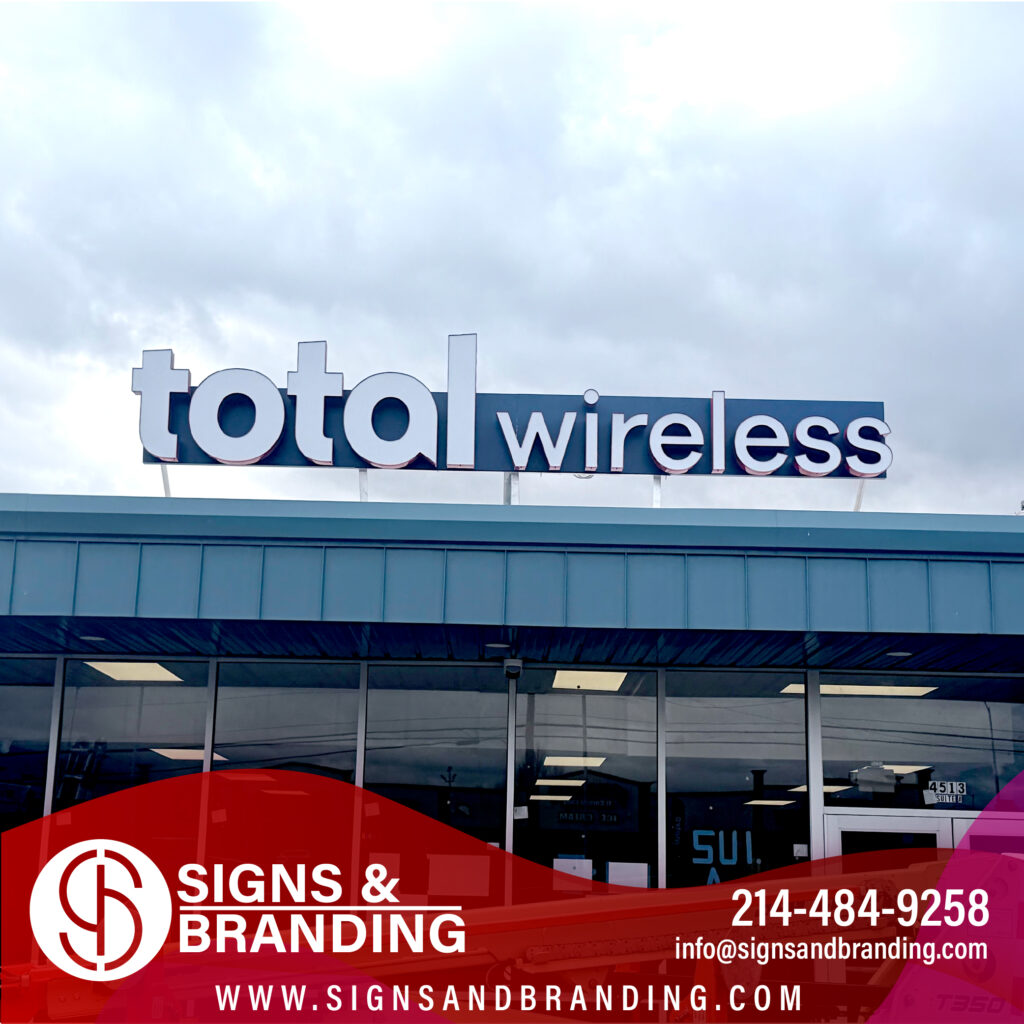
Our installation teams are licensed and insured for roofwork. We handle all safety planning and coordinate with inspectors so the inspection happens on the first visit.
Action: If your sign is roof-mounted, budget extra time for the safety inspection. Schedule it during your installation window; delaying it delays your sign activation.
7. Final Inspection and Certificate of Occupancy
After installation, McKinney requires a final sign inspection before you can legally operate your illuminated letters. An inspector verifies that the sign matches permit drawings, that electrical connections are safe, and that mounting is secure and compliant with the engineer’s specifications.
Only after this final inspection passes does the city issue a Certificate of Compliance or final sign permit approval. Until then, your sign cannot be illuminated or actively used.
This final step is often overlooked by businesses that think “installed” means “done.” It doesn’t. The inspection is mandatory, and operating a sign without final approval can result in fines or a shutdown order.
We schedule the final inspection as part of our project close-out. You’re not managing timelines or follow-ups with the building department.
Action: Don’t turn on your sign until you have written final approval from McKinney. Verify that your sign company includes final inspections in their project scope.
8. Why Professional Permit Navigation Saves Time and Money
Navigating McKinney’s sign permits involves coordinating between multiple city departments, preparing technical documentation, and managing inspection schedules. Most business owners lack the expertise to do this efficiently.
When you handle permits yourself, common delays emerge: incomplete applications get rejected, engineers are called back for missing calculations, and inspection appointments get scheduled during your business’s busiest hours. A single missed deadline can push your project back weeks.
We’ve built relationships with McKinney’s building inspectors and permitting staff. We know exactly what documents are needed, what questions inspectors typically ask, and how to streamline approvals. Our 2-3 week turnaround includes permit navigation as standard.
More importantly, our streamlined permits and installation process means you’re not juggling contractors and coordinators. We handle design, engineering coordination, permitting, and installation in one integrated workflow. This eliminates the cost and confusion of managing multiple vendors.
Action: Request a quote from a sign company that includes full permit handling. Compare that cost against doing permits yourself plus the hidden cost of project delays.
9. Common Documentation Mistakes That Delay Channel Letter Projects
We see the same errors repeatedly, and they’re expensive in terms of time.
First: incomplete property surveys. Businesses assume they know their property boundaries, then the setback inspection reveals the survey is missing or outdated. An updated survey costs $300-500 and delays the project a week.
Second: wrong structural engineer. Hiring an engineer unfamiliar with McKinney’s sign code results in calculations that don’t match city requirements. The permit gets rejected, the engineer revises, and you’ve lost two weeks.
Third: underestimating electrical complexity. Businesses connect signs to existing power without documenting whether that circuit can handle the load. The electrical inspector rejects the installation, forcing upgrades.
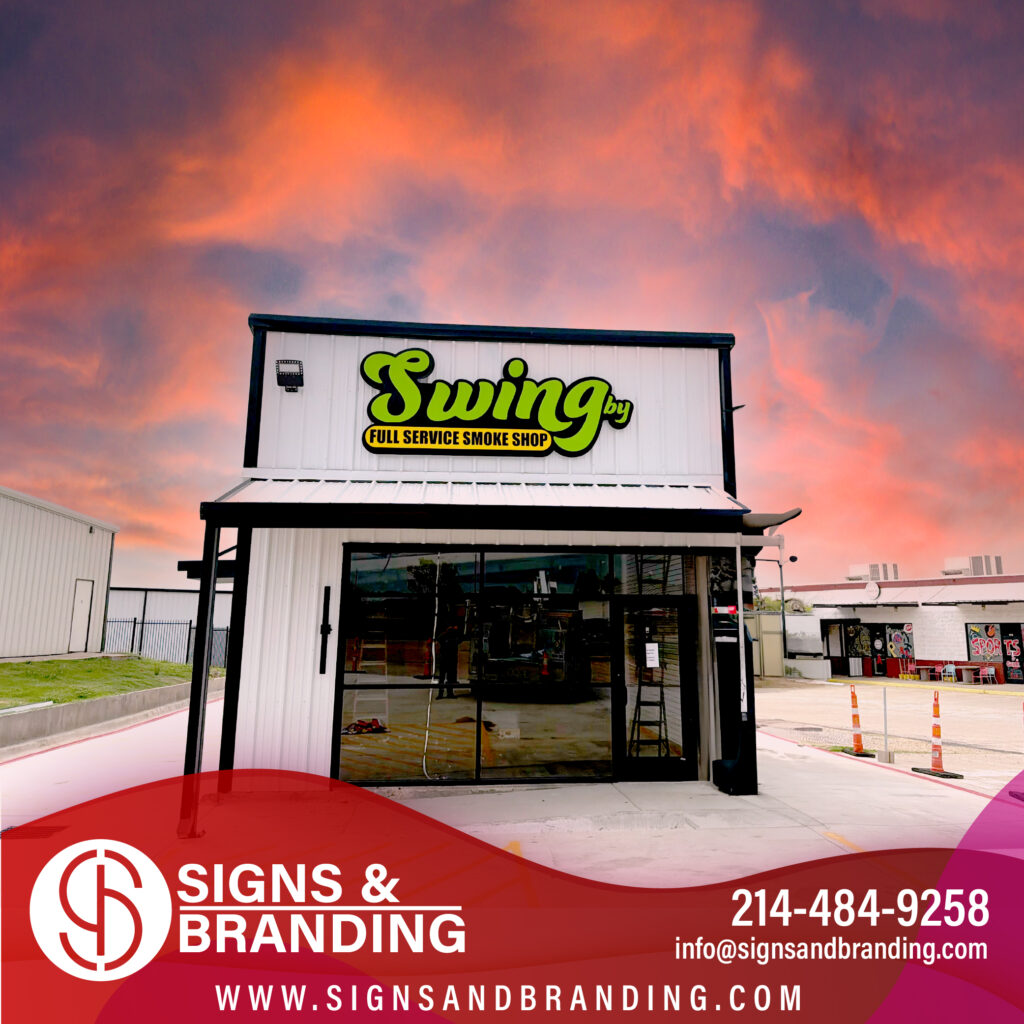
Fourth: ignoring district overlays. A design that complies with McKinney code fails historic district review because no one checked the neighborhood guidelines upfront. Now you’re redesigning and resubmitting.
We prevent these errors by standardizing documentation. Every project gets a property survey verification, an engineer who specializes in sign installations, electrical load calculations reviewed before permit submission, and a district compliance check at design approval.
Action: Ask potential sign companies whether they pull surveys and verify district overlays before presenting designs. If they don’t, they’re passing that risk to you.
10. Our Complete Permit Handling and Installation Services
We’ve built our entire process around permitting efficiency. When you partner with us for your McKinney channel letter sign, here’s what happens:
Design consultation includes a preliminary permit requirements check. We review your property, zoning, and any district overlays before presenting design options. You’re never surprised by a compliance issue later.
Engineering and documentation happen in-house. Our team coordinates with structural engineers, prepares electrical schematics, and organizes all permit applications. You don’t hire separate contractors or chase documentation.
Permit submission and follow-up are managed by us. We submit applications, respond to city questions, and schedule inspections on your behalf. Your involvement is minimal.
Installation and final inspection are coordinated. Our licensed, insured crews handle roofwork, electrical connections, and safety protocols. We schedule the final city inspection and ensure approval before you illuminate your sign.
Warranty and support extend five years. If any component fails or if the sign needs adjustment, we handle it under our warranty.
This full-service model is why Dallas businesses choose us over piecemeal approaches. You get one point of contact, clear timelines, and guaranteed compliance. No juggling contractors. No guessing whether permits are complete.
Action: Request a site consultation from Signs and Branding. We’ll assess your location, identify permit requirements, and provide a transparent timeline and budget before you commit to anything.
Contact us today for a FREE Estimate
Frequently Asked Questions (FAQ)
Why do we handle McKinney sign permits for our customers?
We navigate permits because the process involves multiple city departments and strict documentation requirements that can delay your project significantly. Our team knows McKinney’s specific zoning codes, electrical requirements, and structural certification standards, so we coordinate applications, secure necessary approvals, and schedule inspections on your behalf. This keeps your channel letter sign on track for our standard 2-3 week turnaround.
What happens if we submit incorrect permit documentation?
Incorrect documentation typically results in rejections from the city, which pushes back your installation timeline by weeks or even months. We’ve seen common errors like missing structural load calculations, incomplete zoning compliance forms, and improper electrical specifications cause unnecessary delays. That’s why we verify every document before submission and communicate directly with McKinney building officials to ensure accuracy the first time.
Does our installation crew handle the final inspection process?
Yes, we coordinate the final inspection with the city and ensure our licensed installers meet all safety requirements during the process. Our crews are familiar with McKinney’s inspection checkpoints, so we know exactly what officials will be looking for before they arrive. Once the inspection passes, we obtain your certificate of occupancy documentation to confirm your sign is legally operating.