

Table of Contents
- Why Color Drift Undermines Multi-Location Brands
- Common Causes of Signage Color Inconsistency
- How Materials and Substrates Affect Color Accuracy
- The Role of LED Lighting in Color Consistency
- Setting a Brand Color Standard for Every Location
- How Our In-House Fabrication Keeps Colors Matched
- Managing Permits and Installation Across Multiple Sites
- Maintaining Color Over Time With Our 5-Year Warranty
- Getting Started With a Consistent Signage Program in Dallas
- Frequently Asked Questions (FAQ)
Why Color Drift Undermines Multi-Location Brands
When a customer sees your logo in one city and a slightly different shade of blue in another, they may not consciously notice. But they do register that something feels off, and that small gap chips away at trust. Color is often the first thing people recognize about a brand, so even minor drift across locations can make a national or regional chain look disorganized.
For business owners, the cost shows up in a few places:
- Customers hesitate to recognize you as the same company across neighborhoods
- Marketing campaigns lose impact when printed and physical materials don’t match
- Franchisees or managers make their own sign decisions, creating a patchwork of looks
- Replacement signs get ordered from different vendors with different color references
What to do next: Pull photos of your signage from every location and compare them side by side in the same lighting. Differences you can see in a single photo are usually worth fixing.
Common Causes of Signage Color Inconsistency
Most color drift is not caused by one big mistake. It builds up through small, ordinary decisions made over several years and several vendors.
Here are the most common sources we see with multi-site businesses:
- Different vendors using different color standards. One shop matches to a printed swatch, another to a screen display, and a third to memory.
- Unspecified color codes. An order that says “brand red” leaves the shop to decide what that means.
- Aging materials. Vinyl and paint fade at different rates depending on sun exposure and orientation.
- Substitute materials. A vendor runs short on a film or paint and substitutes something close but not identical.
- Lighting differences. The same sign can look richer at one location and washed out at another.
A quick example: a restaurant group with five locations ordered signs over three years from three different shops. Each sign was “matched” to the same printed brand swatch, but the results still varied enough that the two newest locations looked noticeably brighter than the originals.
What to do next: List every vendor that has produced signs for you in the last five years and note which color reference each used.
How Materials and Substrates Affect Color Accuracy
The material a color sits on changes how it looks. The same Pantone reference printed on vinyl, painted on aluminum, and backlit through acrylic can produce three distinct appearances. Gloss level, base color, and translucency all shift the result.
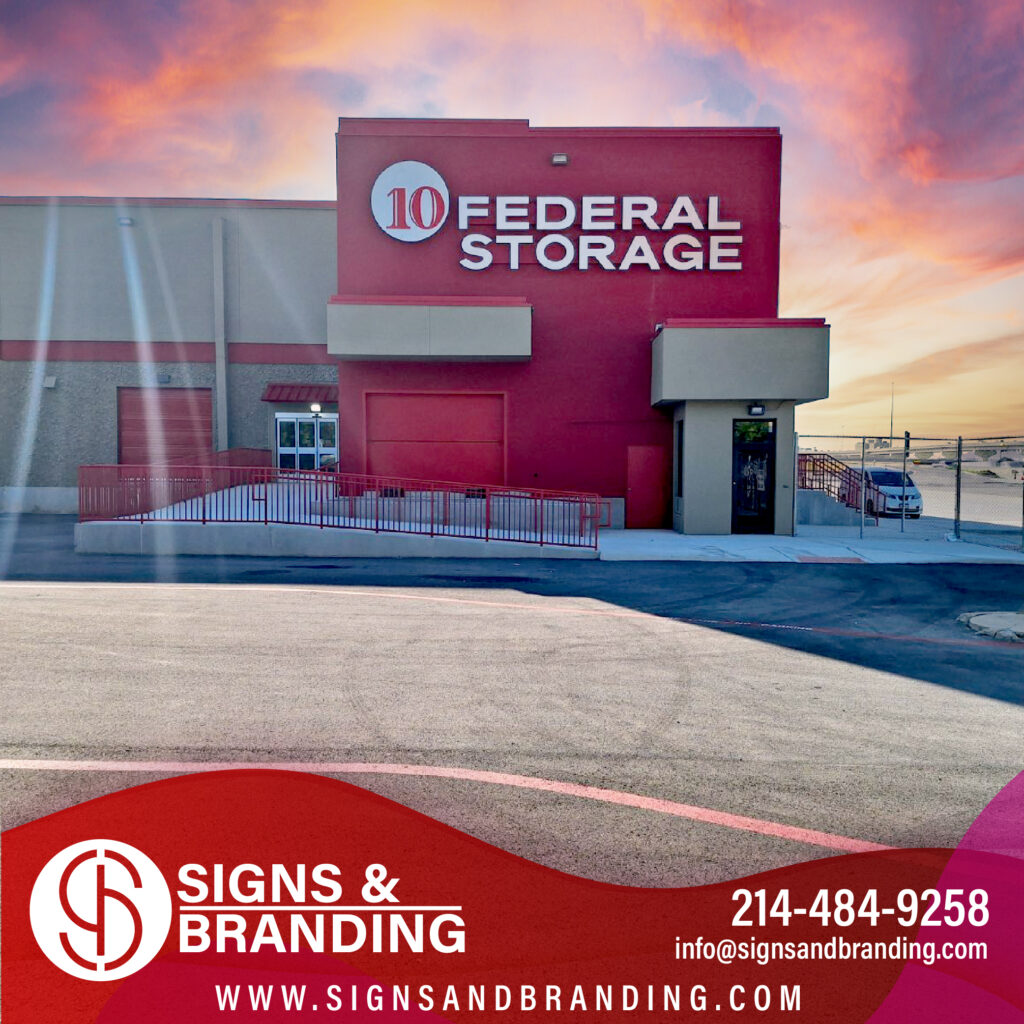
Key factors to consider:
- Surface finish: Matte surfaces absorb more light and often look darker. Gloss reflects light and can look brighter or shift with viewing angle.
- Substrate color: Vinyl over a white background looks different from vinyl over a metallic or dark base.
- Translucency: Backlit faces transmit color differently than opaque panels.
- Weather resistance: Outdoor materials need UV-stable pigments, which may have slightly different color profiles than indoor-grade materials.
When we specify materials for a multi-location program, we test the chosen finish against your brand reference before production. That way the approved color is the one that ships, not an approximation.
What to do next: Ask any sign vendor which material and finish they will use to match your color, and request a physical sample before approving a full run.
The Role of LED Lighting in Color Consistency
Lighting can make or break color accuracy. A channel letter sign with a perfect face color can still look wrong if the LEDs behind it have a different color temperature or shift as they age.
Several LED factors affect how your brand looks at night and during the day:
- Color temperature: Measured in Kelvin, this determines whether white light looks warm, neutral, or cool. Mixing temperatures across locations makes signs look inconsistent even when faces match.
- CRI (color rendering index): Higher CRI means the light renders colors more accurately. Low-CRI LEDs can make reds look orange or blues look gray.
- Consistent LED sourcing: Using the same LED product line across locations keeps output uniform.
- Driver quality: Poor drivers cause flicker and uneven brightness that changes how colors read.
Standardizing your LED specification is one of the most effective steps you can take. Our commercial LED lineup is available at wholesale pricing, and we install and document the specification at each site so every location runs on the same lighting standard.
What to do next: Write down the color temperature and CRI for your current LEDs at each location. If they differ, plan a phased upgrade to one standard. You can explore our LED lighting options to compare specifications.
Setting a Brand Color Standard for Every Location
A brand color standard is a single document that defines exactly how your colors should be produced, applied, and checked. Without one, every vendor interprets your colors differently. With one, you have a reference that holds up across years and vendors.
A practical standard includes:
- Primary and secondary colors with Pantone, RAL, or CMYK references
- Approved materials and finishes for each sign type (channel letters, panels, window graphics)
- Approved LED specifications including color temperature and CRI
- Physical color chips or master samples stored with your brand team
- Acceptable tolerance for variation, expressed as a visual check or measurement method
- Approval process for new signs, including who signs off
Keep the standard short enough that managers will actually use it. A two- to four-page guide often works better than a long brand manual that nobody opens.

What to do next: Create a one-page color card with your approved references, material choices, and LED specs, then share it with every location manager and every sign vendor.
How Our In-House Fabrication Keeps Colors Matched
Because we design, fabricate, and install signs in-house, we control every step where color can drift. There is no handoff between a design shop, a print vendor, and a separate fabrication house. The same team that matches your color on screen also handles the material selection, production, and quality check.
Here is how this works in practice for a multi-location project:
- Color capture: We start with your approved brand references and confirm them against physical samples.
- Material testing: We produce test pieces on the materials planned for each sign type.
- Production control: Fabrication happens in our facility, where the same materials and processes are used across orders.
- Pre-install review: Each sign is checked against the approved reference before it leaves our shop.
- Documentation: We keep records of materials, finishes, and specifications so future orders can match the original run.
Our typical turnaround is two to three weeks, which helps keep a multi-site rollout on schedule without rushing quality. For a three-location roll-out, we often produce the first site as a master, then reference that approved piece for the remaining locations.
What to do next: Ask your sign provider to keep records of the exact materials and finishes used on your signs so replacements can be matched later. Learn more about our local sign manufacturing approach.
Managing Permits and Installation Across Multiple Sites
Permits and installation are where multi-location programs often lose time and consistency. Each city or jurisdiction has its own sign code covering size, height, setbacks, and illumination. Even locations within Dallas can have different requirements depending on zoning and property type.
Common challenges include:
- Different permit timelines across jurisdictions
- Variation in size and setback rules that force design changes at individual sites
- Installers who work differently, leading to inconsistent mounting, alignment, or finish
- Lack of a central record of what was installed where
We handle city permit navigation for our clients, so your sites move through the process with a consistent submittal package. Our installation crews are licensed and insured, and we follow the same installation checklist at every location so mounting, alignment, and electrical connections match.
What to do next: Build a site-by-site spreadsheet that lists the jurisdiction, sign size limits, permit status, and install date for each location. Update it as each project moves forward.
Maintaining Color Over Time With Our 5-Year Warranty
Color consistency is not a one-time achievement. Sun, weather, and cleaning routines gradually change how signs look. The question is whether your signs will still match your standard years from now.
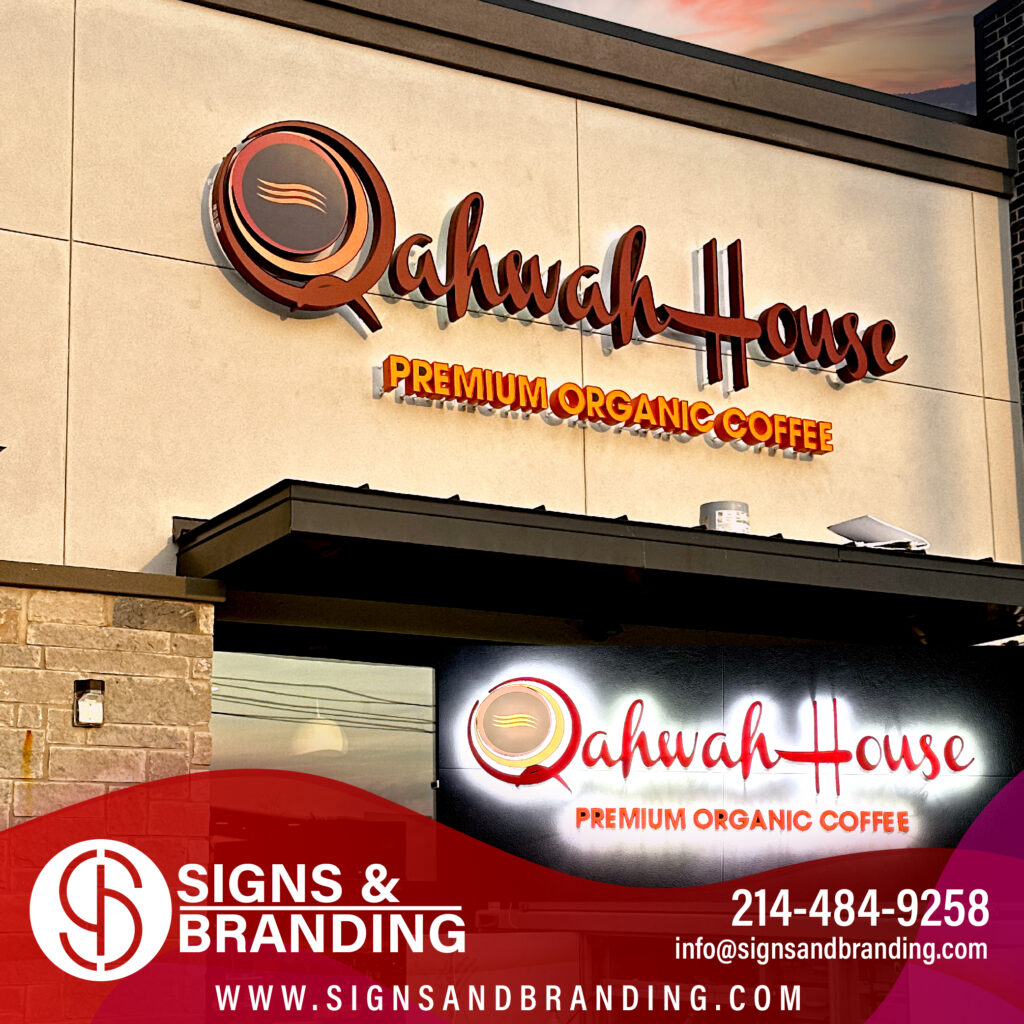
Our 5-year quality warranty is designed to cover this concern. We build with weather-resistant materials and UV-stable finishes, and the warranty protects against premature fading or failure under normal use. This means that a sign installed at one location in 2026 should still be comparable to a sign installed at another location in 2029.
To maintain color over time:
- Clean signs on a regular schedule using manufacturer-recommended methods
- Inspect faces and lighting every six months
- Replace LED modules as a set rather than one at a time
- Track when each sign was installed so you know when to plan replacements
What to do next: Schedule a recurring inspection for every location and note any visible fading or lighting changes. Early detection makes correction far less expensive.
Getting Started With a Consistent Signage Program in Dallas
A consistent signage program does not need to be overwhelming. Most multi-location businesses succeed by taking a staged approach.
A practical starting sequence looks like this:
- Audit your current signs and LED lighting across all locations.
- Define your brand color standard, including materials and LED specs.
- Pilot the standard at one location and check the results in person.
- Roll out to remaining locations in batches, keeping records for each.
- Maintain with scheduled inspections and a clear replacement plan.
We work with Dallas-area business owners and general contractors who need this kind of coordinated program, from the first design review through permits, installation, and long-term warranty support. If you are planning a new location or refreshing existing ones, we can help you set a standard and apply it consistently. You can contact our team to discuss your locations and timeline.
What to do next: Choose one location to pilot your color standard this quarter, and book a site review so we can measure your current signage and recommend the right materials and LED specification.
Contact us today for a FREE Estimate
Frequently Asked Questions (FAQ)
How do you keep brand colors consistent across multiple locations?
We build a single color standard for each brand and reference it on every fabrication order, using matched vinyl, paint, and LED specifications tied to a specific reference code. Our in-house team checks each job against that standard before it leaves our shop, so a sign built in Dallas for one location matches the sign built for another. We also keep the approved specifications on file so future replacements or additional locations stay aligned.
Why do LED signs sometimes look different from the same color on a printed sign?
LED color depends on the diodes, the color temperature, and the diffuser or acrylic used to cover them, so the same nominal color can appear differently under different lighting. We select commercial LED modules from a consistent batch and test them against the approved standard before installation. Where precision matters most, we recommend viewing samples under the actual lighting conditions of the location.
Can you handle permits and installation for signs at several Dallas sites?
Yes, we manage city permit applications and coordinate licensed, insured installation at each location. We track each site’s permit status and installation schedule so every store is completed to the same specification. Our 2-3 week turnaround helps keep rollouts across multiple locations on a predictable timeline.