

Table of Contents
- Why Signage Budgets Catch Dallas Business Owners Off Guard
- Key Factors That Drive Sign Costs in the DFW Market
- Channel Letters: What to Budget and Why
- Outdoor and Storefront Signs: Cost Considerations
- Indoor, Lobby, and Acrylic Signs: Pricing Overview
- Halo Lit, Wall Graphics, and Gas Station Branding Costs
- Commercial LED Lighting: Wholesale Pricing and Installation Budget
- Permits, Installation, and Warranty: Hidden Costs to Plan For
- How Our In-House Process Keeps Your Signage Budget Predictable
- Next Steps: Get a Custom Quote for Your DFW Project
- Frequently Asked Questions (FAQ)
Why Signage Budgets Catch Dallas Business Owners Off Guard
Many Dallas business owners start with a single number in mind, only to see the quote land far higher once design, materials, permits, and installation are added in. The sign itself is often just one line item among several. Knowing where the money goes before you request quotes keeps your planning realistic.
Here is what usually surprises owners:
- Design and engineering time for custom shapes, illuminated elements, and structural mounts
- City permit fees and drawings required for many exterior signs
- Electrical work to bring power to a sign or to connect it to existing circuits
- Installation labor on ladders, lifts, or rooftops, which adds time and safety requirements
- Revisions that come up when landlord approvals or sign ordinances change the plan
We recommend asking every provider to itemize these categories so you can compare quotes on equal terms.
Key Factors That Drive Sign Costs in the DFW Market
Several variables shape the final price of a sign project in the Dallas-Fort Worth area. Understanding them helps you decide where you have flexibility.
- Size and square footage. Larger signs use more material and typically require heavier structural support.
- Materials. Aluminum, acrylic, polycarbonate, and vinyl vary widely in cost and durability.
- Illumination. LED-lit signs cost more upfront than unlit ones but can reduce long-term energy use.
- Site conditions. Mounting to brick, stucco, or a metal roof adds time and specialized hardware.
- Permitting requirements. Some municipalities require stamped drawings or wind-load calculations.
- Timeline. Rush schedules raise costs. Standard production timelines keep pricing more predictable.
Next step: List your sign’s approximate dimensions, location, and lighting needs before you request a quote. Clear inputs produce more accurate estimates.
Channel Letters: What to Budget and Why
Channel letters are three-dimensional letters with a finished face, returns (sides), and a backing. They are among the most common storefront signs in Texas because they are readable at a distance and customizable in color and font.
Budget considerations for channel letters include:
- Letter height, which largely determines price per letter
- Face material, such as acrylic or polycarbonate
- Return depth and finish, typically aluminum with paint or wrap
- Illumination type, usually front-lit or halo-lit LED modules
- Mounting method and whether a raceway is needed
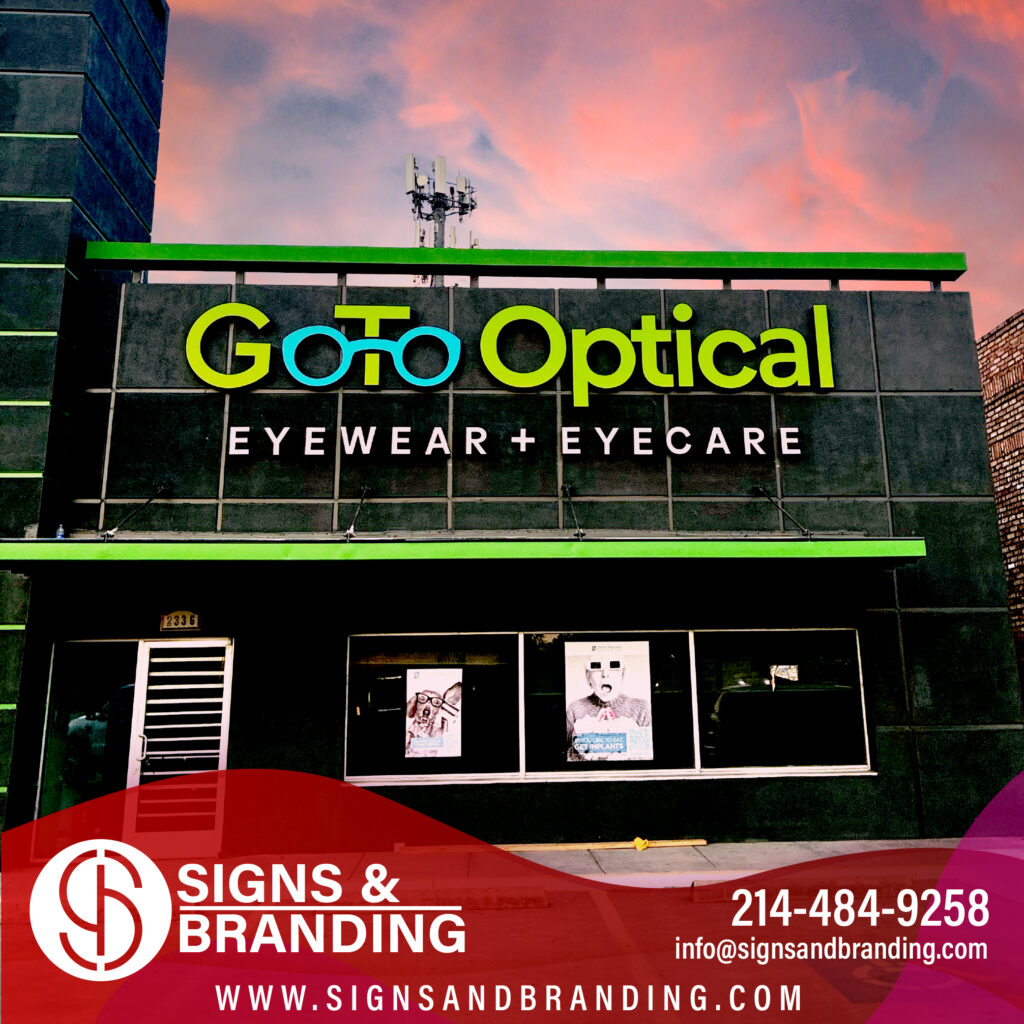
For a typical small storefront, a multi-letter sign can range widely depending on those specifications. We suggest asking for a price per letter alongside a total, so you can adjust letter count or height if needed.
Actionable tip: Measure your available signable area and confirm the sign ordinance limits before you choose a letter height.
Outdoor and Storefront Signs: Cost Considerations
Outdoor signs must withstand Texas heat, UV exposure, hail, and high winds. That durability requirement affects both material choice and cost.
Common outdoor sign types include:
- Cabinet signs with illuminated faces housed in a metal box
- Monument signs on a base structure, often with landscaping
- Pylon or pole signs for high-visibility locations, usually requiring engineering
- Panel signs mounted flat against a building façade
We build our outdoor signs with weather-resistant materials and sealed electrical components, which helps them hold up over time. When comparing bids, ask what finish, coating, and fastener types are included, since these details affect longevity.
Actionable tip: Confirm whether the quote includes engineering and permit drawings for pole or monument signs.
Indoor, Lobby, and Acrylic Signs: Pricing Overview
Interior signage is typically more affordable than exterior work, but it still benefits from good planning. Lobby signs, wayfinding, and directional signs help customers and staff move through a space, and they reinforce your brand.
Typical indoor options include:
- Acrylic dimensional letters mounted on walls or reception areas
- Printed panels for menus, policies, or informational displays
- Wayfinding signs with directional arrows and room identifiers
- Lobby logo displays with backlit or edge-lit acrylic
Acrylic is a popular choice because it is lightweight, clean-looking, and available in many finishes. Pricing depends on thickness, size, and whether the piece is printed, painted, or fabricated with standoffs.
Next step: Map your customer journey inside the space and identify where signage would reduce confusion. Start with the highest-traffic points.
Halo Lit, Wall Graphics, and Gas Station Branding Costs
Some sign types serve specialized purposes and carry their own cost profiles.

- Halo lit (reverse channel) letters project light onto the wall behind them, creating a soft glow. They generally cost more than front-lit letters because of the added fabrication and wiring, but they stand out at night and suit upscale locations.
- Wall graphics include vinyl murals, decals, and printed wraps. Costs depend on surface area, print resolution, and surface preparation. Textured or previously painted walls may need extra prep.
- Gas station and fuel branding involves canopy signs, price displays, fuel-dispenser graphics, and pump toppers. These projects must meet brand standards and often require coordination with fuel brand requirements, which can increase timeline and documentation needs.
Our team handles these specialty projects with the same in-house design and fabrication process used for our standard signage, which helps keep revisions and coordination manageable.
Actionable tip: If you operate a branded fuel or convenience location, request the brand’s sign specifications early so your quote reflects compliance requirements.
Commercial LED Lighting: Wholesale Pricing and Installation Budget
Commercial LED lighting is a separate budget category that many businesses overlook. It can improve visibility, reduce energy costs, and lower maintenance over time compared with older lighting technologies.
We supply commercial LEDs at wholesale pricing and provide installation, which helps general contractors and business owners control the total project budget. When budgeting for LED work, consider:
- Fixture count and type, such as troffers, high-bays, wall packs, or strip lighting
- Wattage and lumen output matched to the space’s requirements
- Driver and control compatibility with existing switches or dimming systems
- Labor and electrical work, including any panel upgrades
- Lift or access equipment for high ceilings or exterior fixtures
For contractors, bulk pricing on a defined scope often makes the budget easier to forecast. Confirm whether your quote includes warranty coverage on both fixtures and installation workmanship.
Next step: Gather your fixture schedule or a rough layout of the space so we can estimate quantities and labor more precisely.
Permits, Installation, and Warranty: Hidden Costs to Plan For
Permits, installation, and warranty coverage often add meaningful value to a project, and they are easy to overlook when comparing bids.
Permits. Many Dallas-area exterior signs require a city permit, and some require electrical permits as well. Fees vary by sign size and type, and the process can involve drawings, site plans, and inspections. Some businesses face delays when a sign is started before approval is obtained.
Installation. Licensed and insured installation protects your property and your team. Ask whether installation is included in the quote, what equipment is required, and whether patching or repair of the mounting surface is covered.
Warranty. A strong warranty reduces long-term risk. Our signs carry a 5-year quality warranty, and it is worth asking any provider to define exactly what that covers, including materials, workmanship, and LED components.
Actionable tip: Ask for a written scope that lists permits, installation, and warranty terms so you can compare providers accurately.
How Our In-House Process Keeps Your Signage Budget Predictable
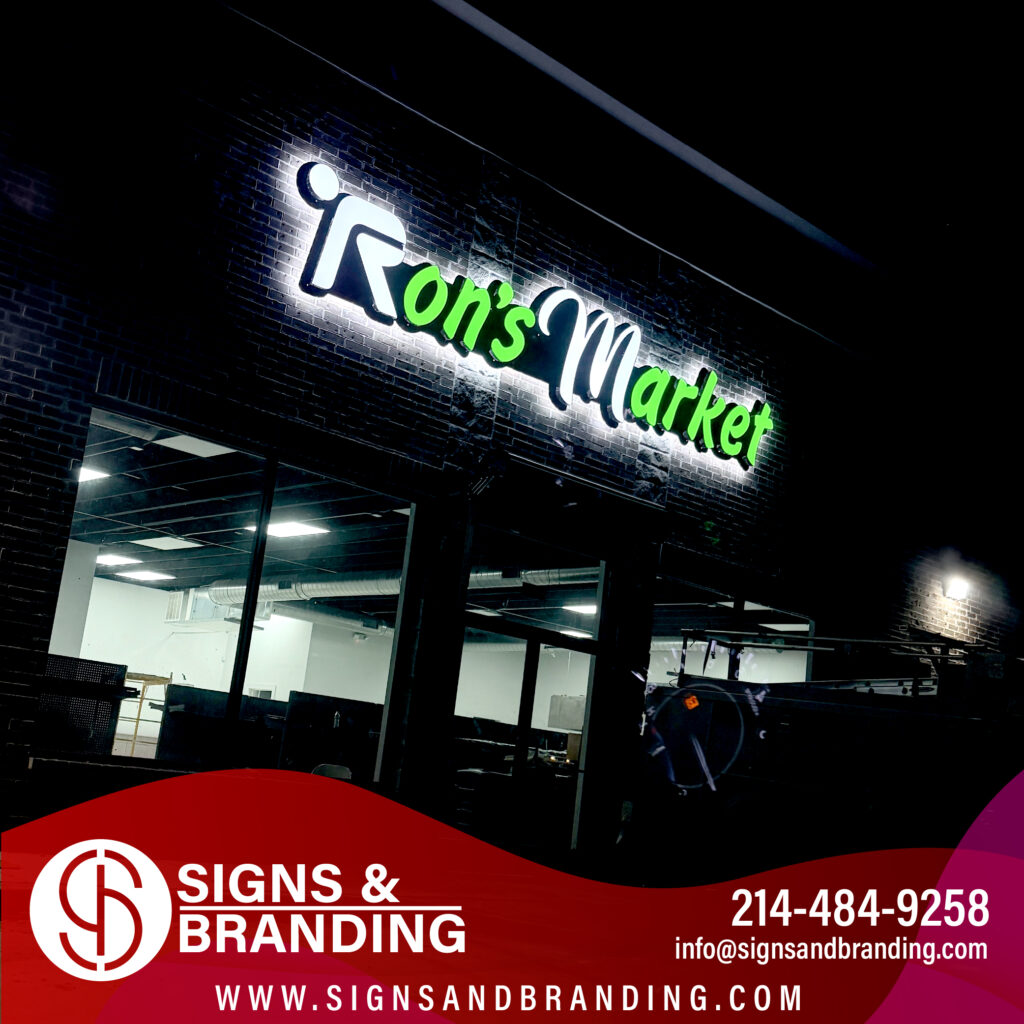
We design, fabricate, and install signs in-house, which gives us direct control over the factors that drive cost and timing. For you, that translates into fewer handoffs, fewer surprise change orders, and a clearer picture of the total project.
Our process typically includes:
- Design review to confirm dimensions, placement, and branding requirements
- Permit navigation so drawings and applications are handled with the city
- Fabrication in our facility with a typical turnaround of 2 to 3 weeks
- Licensed and insured installation by our own crews
- Quality review and warranty support after the sign is in place
Because design, fabrication, and installation stay under one roof, we can answer questions quickly and adjust plans before materials are cut. That coordination helps keep your budget aligned with the approved scope.
Next Steps: Get a Custom Quote for Your DFW Project
Planning a sign budget is easier when you have specific information in hand. Before you request a quote, gather:
- Photos of your building or storefront
- Approximate sign dimensions and preferred locations
- Your brand logo files and color specifications
- Any landlord or association guidelines
- For LED projects, a fixture schedule or space layout
Once you share these details, we will provide an itemized estimate covering design, fabrication, permits, installation, and warranty. You can request a custom quote through our website and get a clear, written budget for your Dallas-Fort Worth project. For more context on pricing, see our Dallas channel letter pricing guide or our overview of outdoor and indoor signs.
Contact us today for a FREE Estimate
Frequently Asked Questions (FAQ)
How much should a small business in Dallas budget for a storefront sign?
Storefront sign budgets vary widely based on size, materials, lighting, and whether the sign is a new build or a replacement. We walk each client through a site assessment and a written quote so the total is clear before any work begins. For most small businesses, we recommend setting aside funds for design, fabrication, installation, and permit fees rather than focusing only on the sign itself.
Does your team handle city sign permits in Dallas?
Yes, we handle permit navigation as part of our full-service process. Our team gathers the drawings, specifications, and documentation the City requires and manages communication through the approval stage. This keeps your project moving and reduces the chance of delays caused by incomplete submissions.
How long does a custom sign project take from start to finish?
Our in-house design, fabrication, and installation process typically runs two to three weeks from approved design to completed installation. Timing can shift for permit review, site conditions, or custom materials, and we confirm the schedule with you at the quoting stage. Every project includes our 5-year quality warranty on the work we deliver.